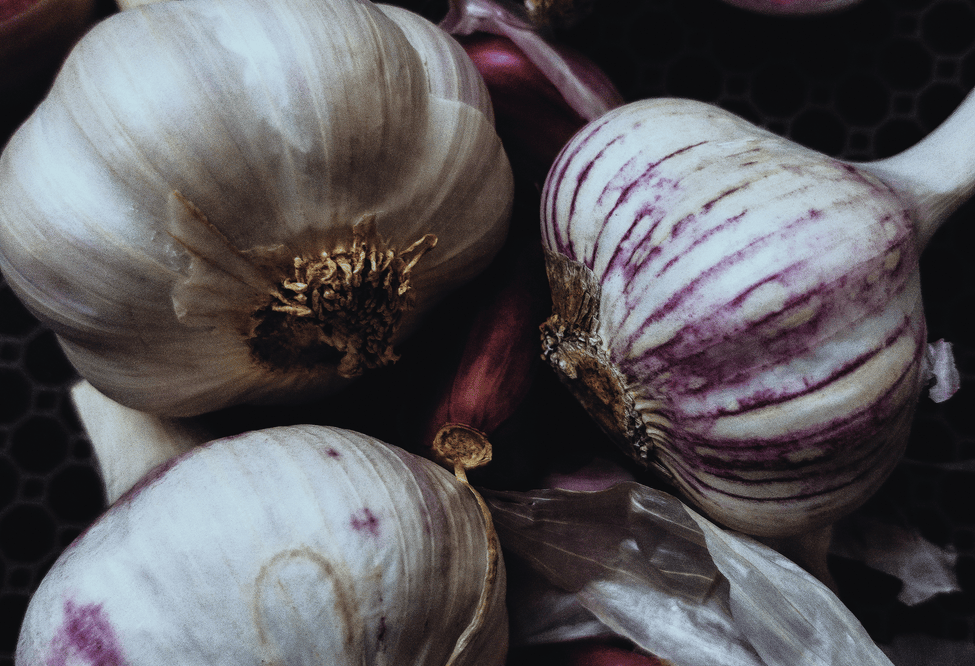
As tomato vines wind down and gardeners begin putting beds to rest here in Central Kansas, one crop is just getting started. October is garlic-planting season, offering an opportunity to plant something now that will reward you next summer.
Planting time
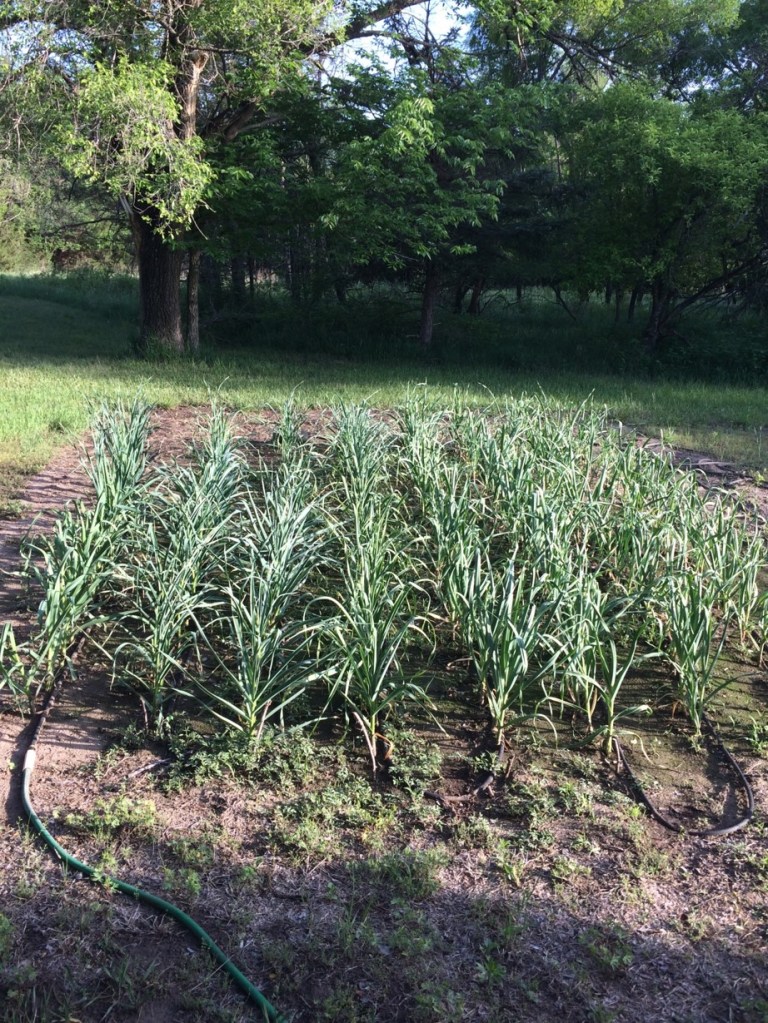
Garlic follows a schedule familiar to Kansans who watch winter wheat grow: plant in fall, establish roots before winter, and harvest the following summer. Fall planting also provides the chilling period garlic needs for proper bulb development. For Central Kansas gardeners, mid- to late October is a good target, and planting can extend into early November as conditions allow.
Varieties
For the best success, purchase firm, healthy bulbs of a named variety from a reputable supplier that sells garlic for planting. Grocery-store garlic may grow, but its variety and suitability for our climate are often unknown. Separate bulbs into individual cloves just before planting, leaving the papery covering on each clove. Select the larger, healthy cloves for planting and save smaller ones for the kitchen.
Both hardneck and softneck garlic offer possibilities for Kansas gardens. Hardneck types generally produce fewer, larger cloves and develop a flower stalk called a scape. Softneck types typically have more cloves and a longer storage life. In his Kansas growing experience, former Geary County K-State Extension Agent Chuck Otte reports success with hardneck varieties such as ‘Music’ and ‘Chesnok Red,’ along with softneck varieties ‘Inchelium Red’ and ‘Silver White.’ Trying two or three varieties can help you discover which perform well in your garden and suit your cooking.
| Garlic varieties for Kansas | Type | Group | General characteristics |
|---|---|---|---|
| Chesnok Red | Hardneck | Purple stripe | Generally fewer, larger cloves; shorter storage life |
| Music | Hardneck | Porcelain | Known for very large cloves, with relatively few per bulb |
| Spanish Roja | Hardneck | Rocambole | Generally fewer, larger cloves; shorter storage life |
| German Red | Hardneck | Rocambole | Generally fewer, larger cloves; shorter storage life |
| Inchelium Red | Softneck | Artichoke | Generally more, smaller cloves; longer storage life |
| Silver White | Softneck | Silverskin | Generally more, smaller cloves; longer storage life |
Location
Choose a sunny location with well-drained soil. Garlic needs moisture to grow, but bulbs can rot in soil that stays saturated. Remove weeds and loosen the soil before planting. Incorporating finished compost can improve soil structure, and a raised bed may be helpful where drainage is poor. Remember that this space will remain occupied into next summer.
Planting and care
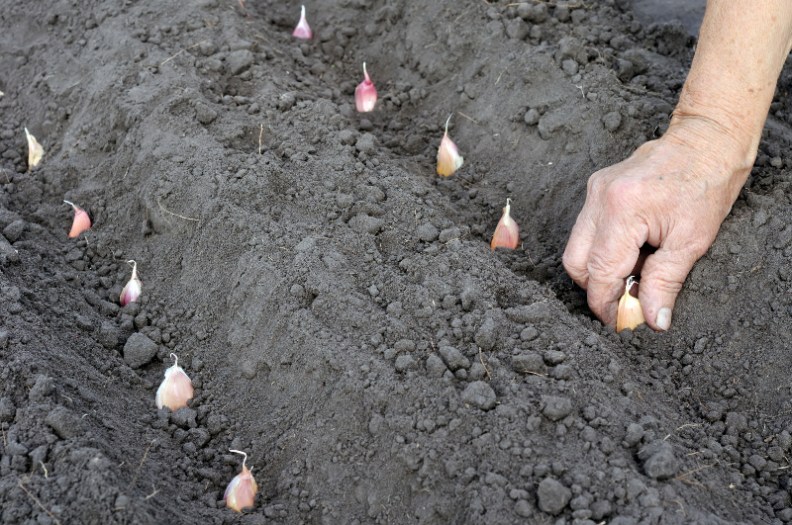
Plant individual cloves with the pointed end up and the flat root end down, about two inches deep. Space cloves approximately six inches apart in rows about a foot apart. Cover them with soil, firm gently, and water to settle the soil around them. Label each variety so you can compare performance at harvest.
While garlic can survive on very little fertility, it needs some fertilizer to produce nice sized bulbs. A soil test will provide the best recommendations. Common recommendations are to fertilize at or before planting with 1 to 3 pounds of a balanced fertilizer per 100 square feet depending on existing soil nutrient levels. Blood meal plus bone meal can be used if organic sources of fertilizer are preferred. These are applied at 2 lbs. per 100 square feet. Early in the spring, as soon as you see the first early season growth, repeat the planting time fertilization rates. Don’t fertilize again as this can cause vegetative growth at the expense of bulb development.
As temperatures cool and the garden experiences a few frosts, apply a loose layer of clean straw mulch. Mulch helps moderate soil temperatures, conserve moisture, and suppress weeds. Garlic’s narrow leaves provide little shade over the soil, making weed management important. Check soil moisture during dry weather, while avoiding conditions that keep the bed soggy.
What should you expect before winter? Much of the important activity happens underground as roots develop. Some garlic may produce green shoots in fall, while other plants may not emerge until later. Either response can be normal. Don’t fret if a garlic planting seems a little slow to get started.
When to harvest
Garlic planted in fall is generally ready to harvest the following summer, with timing varying by variety and growing conditions. Watch for 3 to 5 of the lower leaves to turn brown and die back while about five to six leaves remain green. Don’t wait for the entire plant to turn brown as this can leave the bulbs more vulnerable to rot. Carefully loosen the soil with a garden fork and lift the bulbs, avoiding damage and prolonged exposure to direct sunlight. Brush off loose soil and cure the plants with their tops attached in a dry, shaded, well-ventilated location for several weeks. Once the tops and necks are fully dry, trim the stems and roots and store the bulbs in a cool, dry location with good air circulation.

All you need to grow garlic is a small amount of garden space and with some preparation and planting this fall, you can give next year’s harvest a nice head start.

