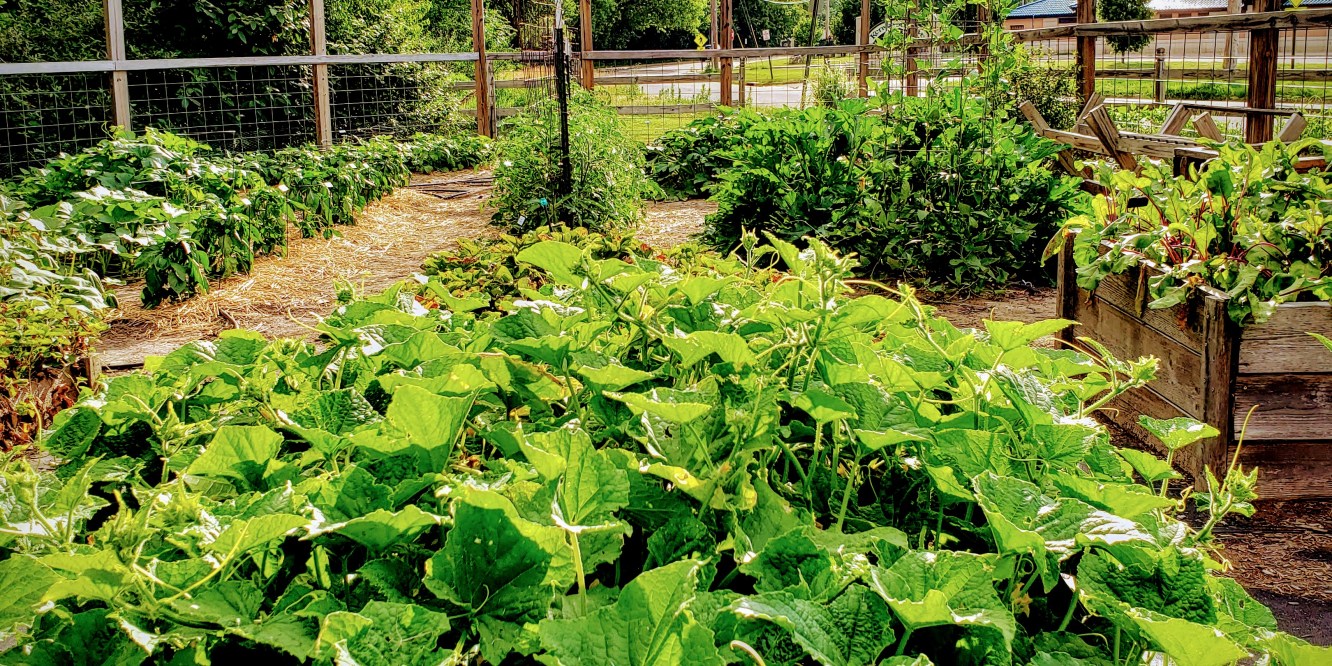
Every gardener I meet hopes for a bumper crop from their fruit and vegetable plantings. We dream of harvesting the perfect tomato or filling baskets with zucchini, and our success depends heavily on one essential process: pollination.
While honeybees often receive much of the credit, they are not the only pollinators at work in our gardens. In fact, numerous species of native bees play a critical role in vegetable and fruit production across Kansas — and for some crops, they are among our most effective pollinators.
Why Native Bees Matter
Different vegetables rely on different pollinators.
For example, squash bees are specialists that pollinate pumpkins, zucchini, and gourds almost exclusively. They emerge early in the morning and work quickly inside squash blossoms, often finishing pollination before honeybees are active.
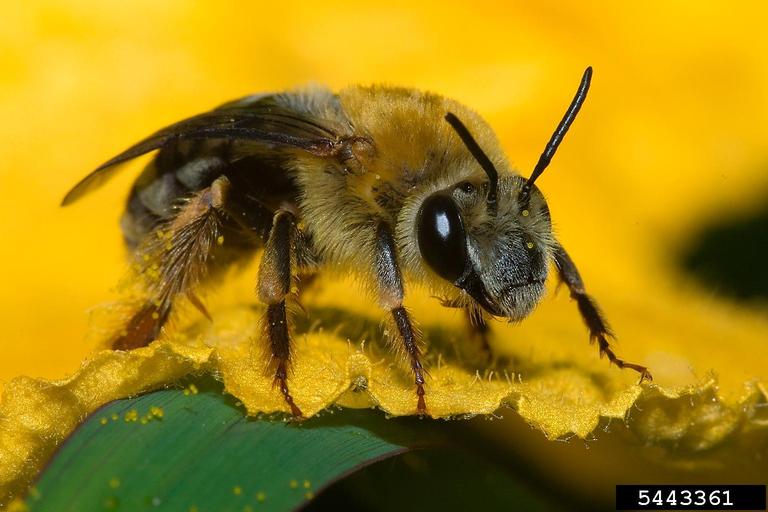
Native bumblebees excel at buzz pollination — a vibration technique that releases pollen from tomato and pepper flowers far more effectively than other insects.
To attract these highly effective helpers, gardeners need to provide more than vegetable flowers alone.
These specialist and native bees require nectar and pollen not only from our crops, but from native flowering plants throughout the growing season. Sustaining native bee populations with native plants helps ensure there are plenty of pollinators ready and waiting when edible plants begin to bloom.
Planting by Season: A “Menu” for Your Pollinators
By planting native plants near our vegetables and fruit, we aren’t just helping the ecosystem, we are investing in a more productive harvest.
To get the best results, choose a variety of native flowers that bloom throughout the season and will provide food for pollinators exactly when they are needed most.
1. Cool Season Companions (Spring Bloomers)
Target crops: Strawberries, blackberries, raspberries, fruit trees
These plants bloom in April, May, and early June, supporting early-season native bees just in time for strawberry blossoms, brambles, and fruit tree pollination.
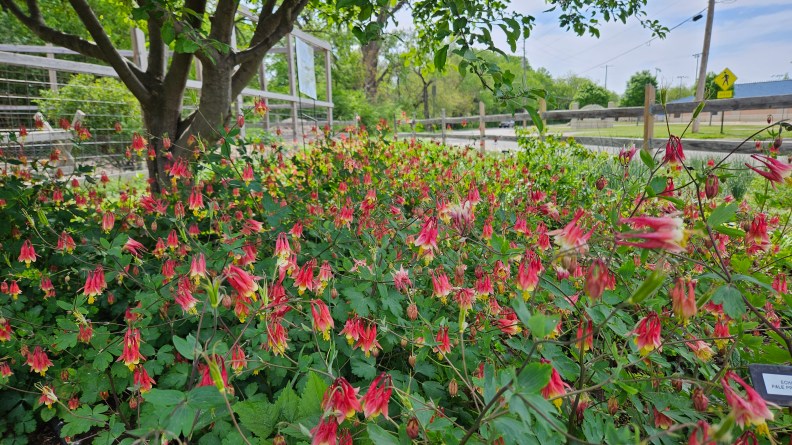
Columbine (Aquilegia canadensis)
A red-and-yellow spring favorite blooming April–May. An excellent early nectar source for emerging pollinators.
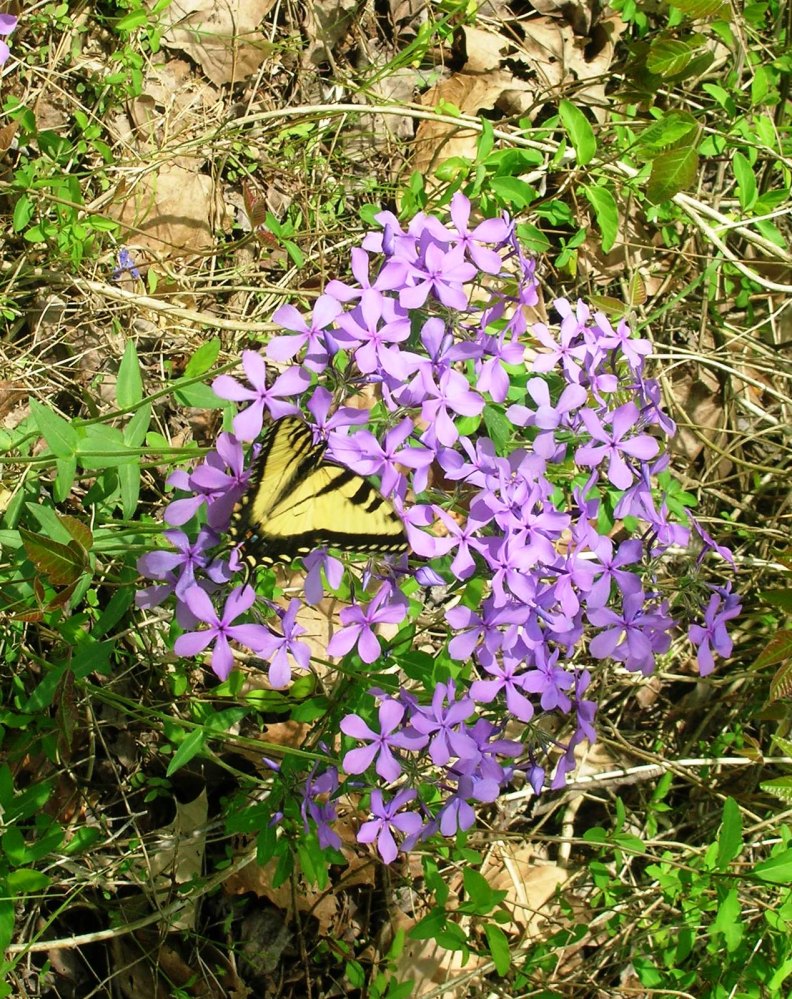
Woodland Phlox (Phlox divaricata)
Soft blue flowers in April–May make this a great underplanting near trees and garden edges.
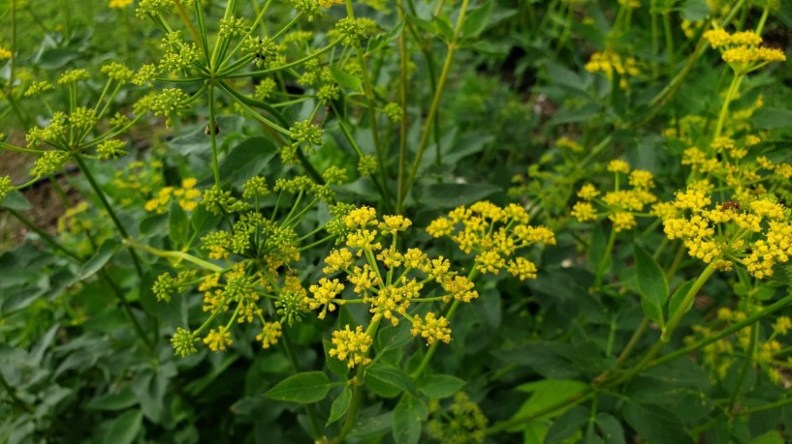
Golden Alexanders (Zizia aurea)
A critical early bloomer (April–June) that supports small native bees important for strawberries and other cool-season crops.
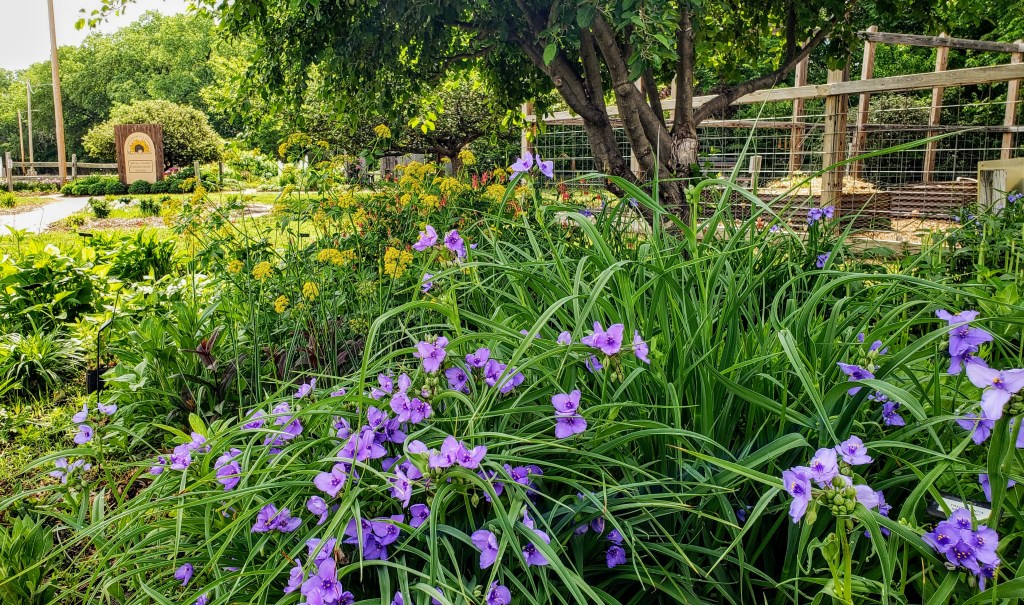
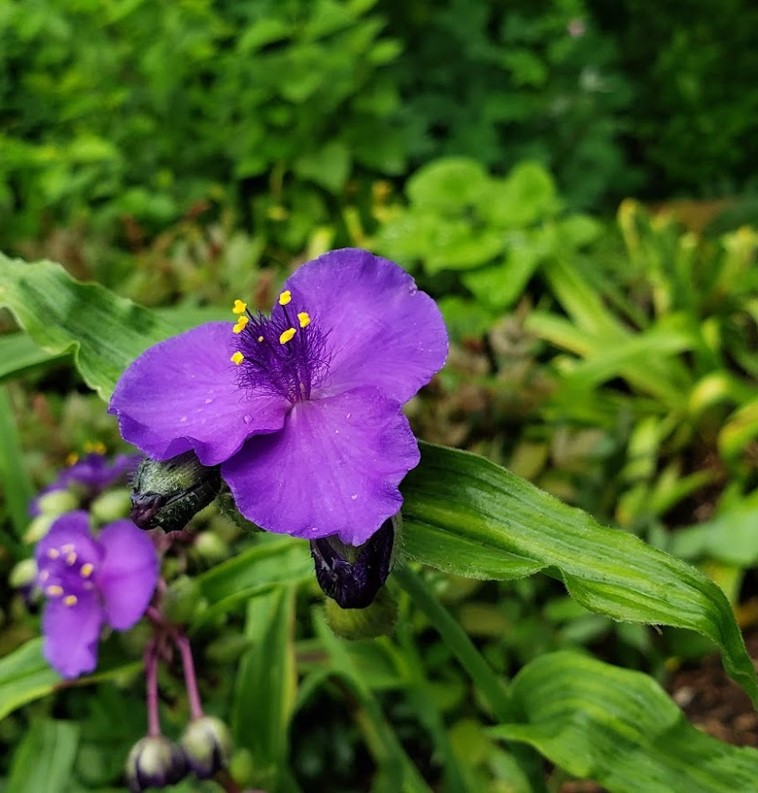
Spiderwort (Tradescantia spp.)
Blooms throughout spring with purple-blue flowers. Its pollen has a high protein-to-lipid ratio, making it especially nutritious for bees.
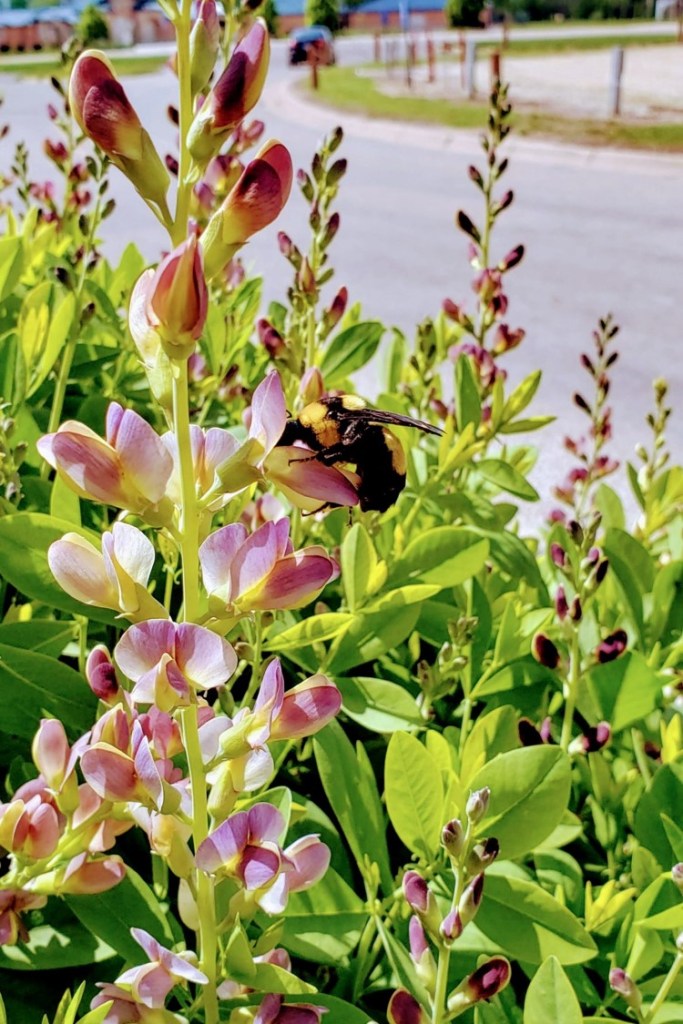
Baptisia (False Indigo)
Available in blue, white, and yellow forms. This is a long-lived native that blooms in April and May and is a powerful bumblebee magnet.
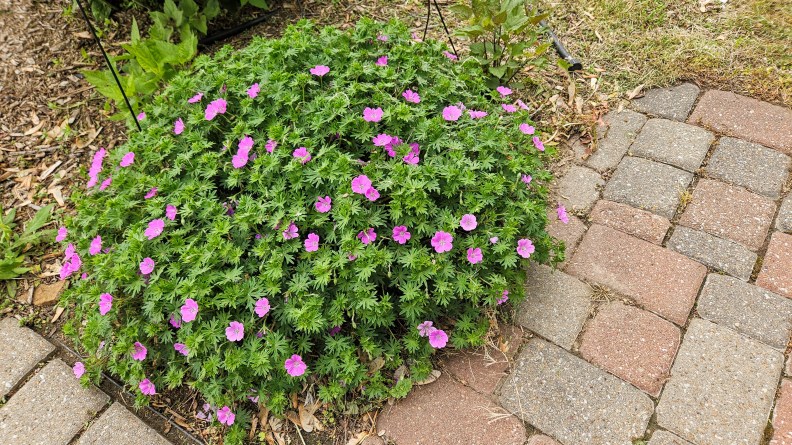
Wild Geranium (Geranium maculatum)
A true spring powerhouse, providing nectar and pollen just as strawberries and fruit trees begin to flower.
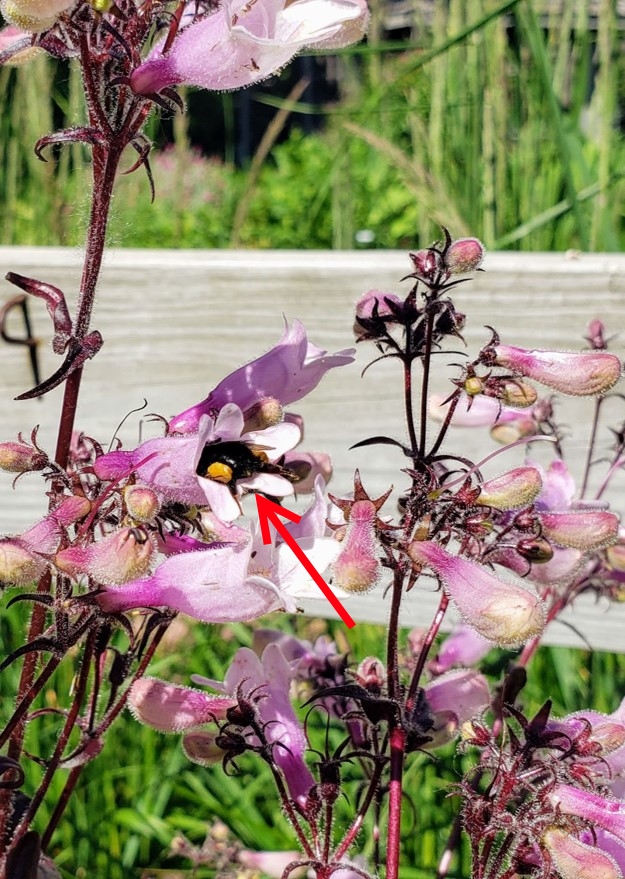
Penstemon (Beardtongue)
A favorite for Central Kansas landscapes. Species such as Penstemon cobaea and Penstemon digitalis bloom in May and June. Their tubular flowers are perfectly shaped for bumblebees and attract a wide range of native pollinators.

2. Warm Season Companions (Summer Bloomers)
Target crops: Tomatoes, peppers, eggplant, cucumbers, squash, melons, okra
These vegetables require pollination during the heat of June, July, and August. The following native plants thrive in Kansas summers and attract the medium-to-large bees these crops depend on.
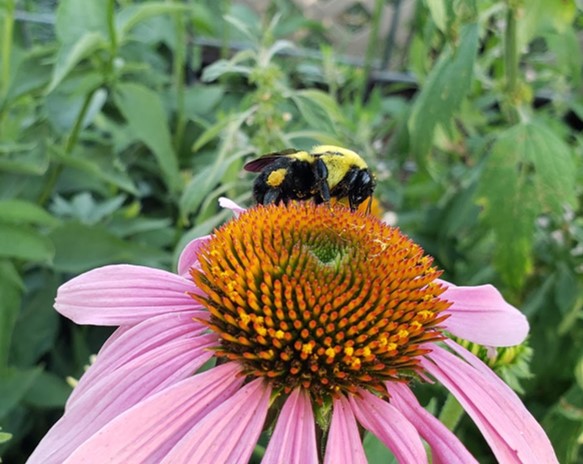
Coneflowers (Echinacea spp.)
Pale purple, purple, and yellow coneflowers bloom June–July and pair beautifully with tomato and pepper plantings.
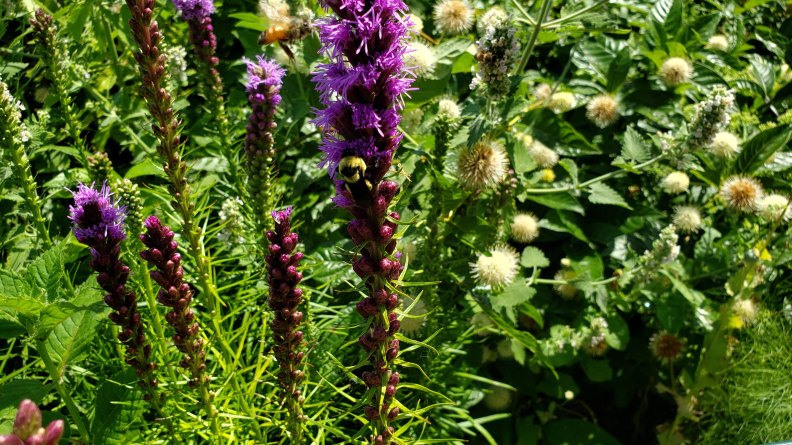
Blazing Stars (Liatris spp.)
These purple flower spikes bloom July–August and are excellent companions for warm season crops such as okra and late-harvest peppers.
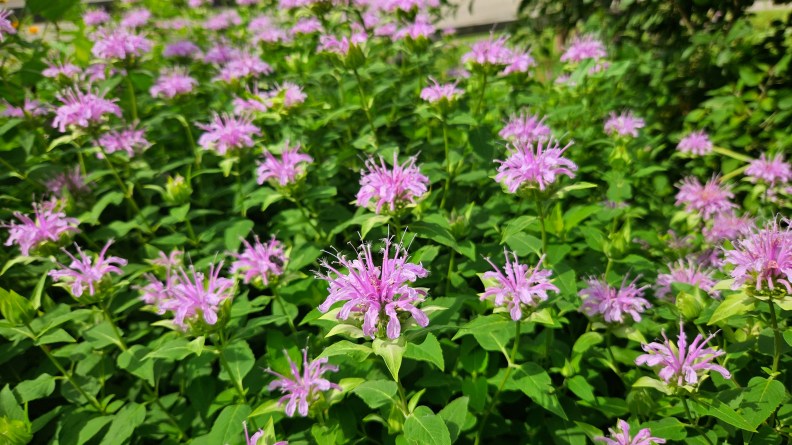
Monarda (Native Bee Balm / Wild Bergamot)
True to its name, bee balm is one of the most important summer nectar sources. It blooms from June through August, aligning perfectly with peak tomato and pepper flowering.
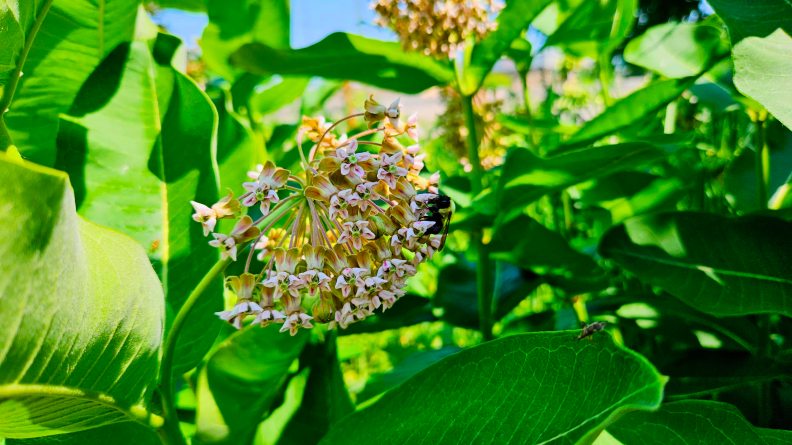
Milkweeds (Asclepias spp.)
Common, butterfly, swamp, green milkweed, and other native species bloom June–August and attract an exceptional diversity of pollinators.
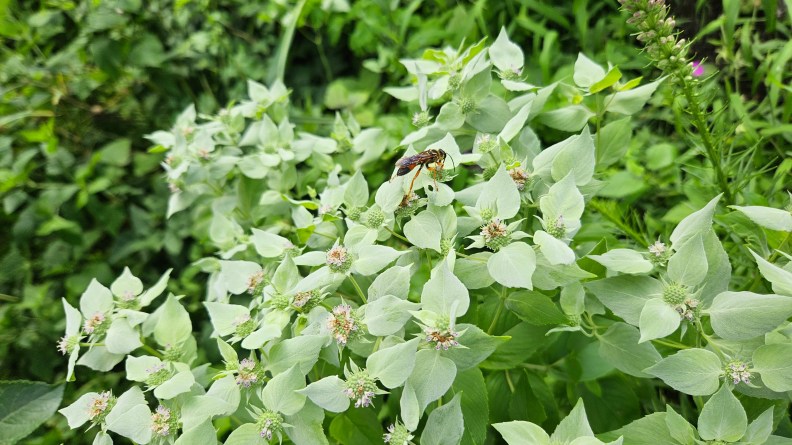
Mountain Mint (Pycnanthemum spp.)
Blooming June–September, this plant is a true pollinator powerhouse, attracting bees, predatory wasps, and other beneficial insects that assist with pest control.
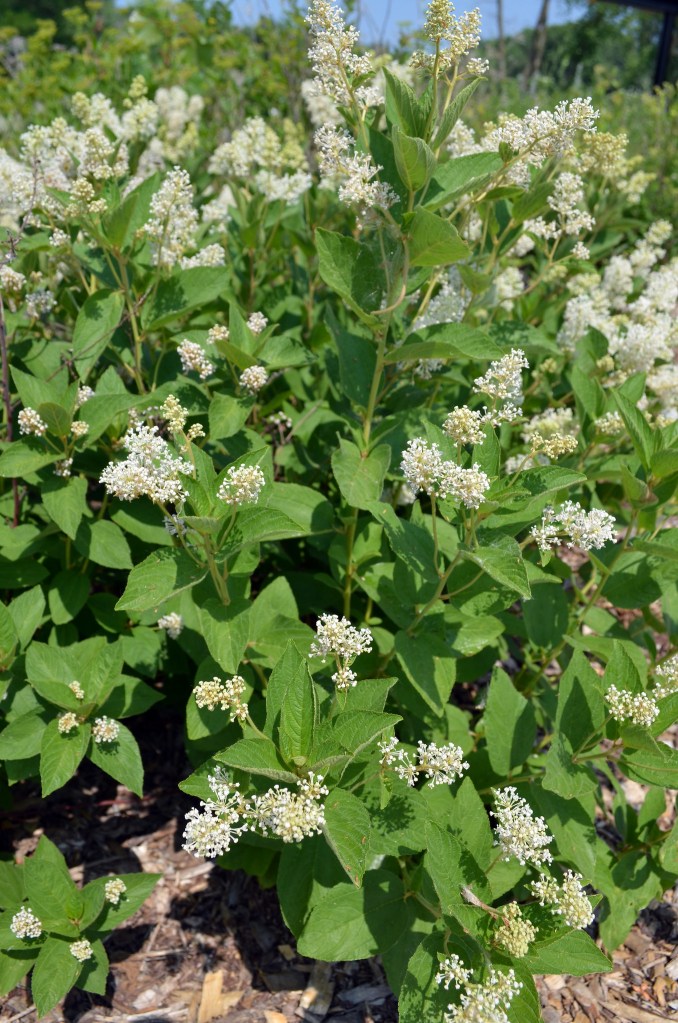
New Jersey Tea (Ceanothus americanus)
A compact native shrub blooming in June and July with fragrant white flowers. Ideal along garden edges and highly attractive to native bees and butterflies.
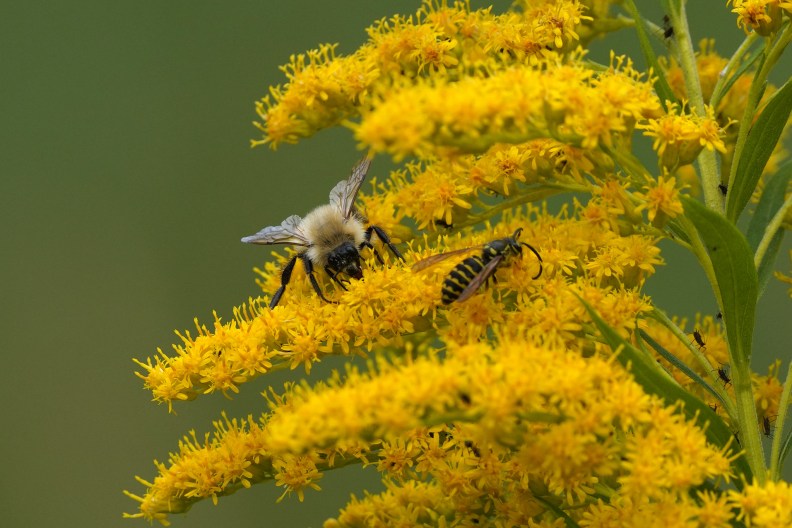
Canada Goldenrod (Solidago canadensis)
This goldenrod is one of the best for attracting beneficial/predatory wasps and beneficial flies into the garden but it can spread aggressively in some situations. Use a variety of goldenrod that makes sense in your situation.
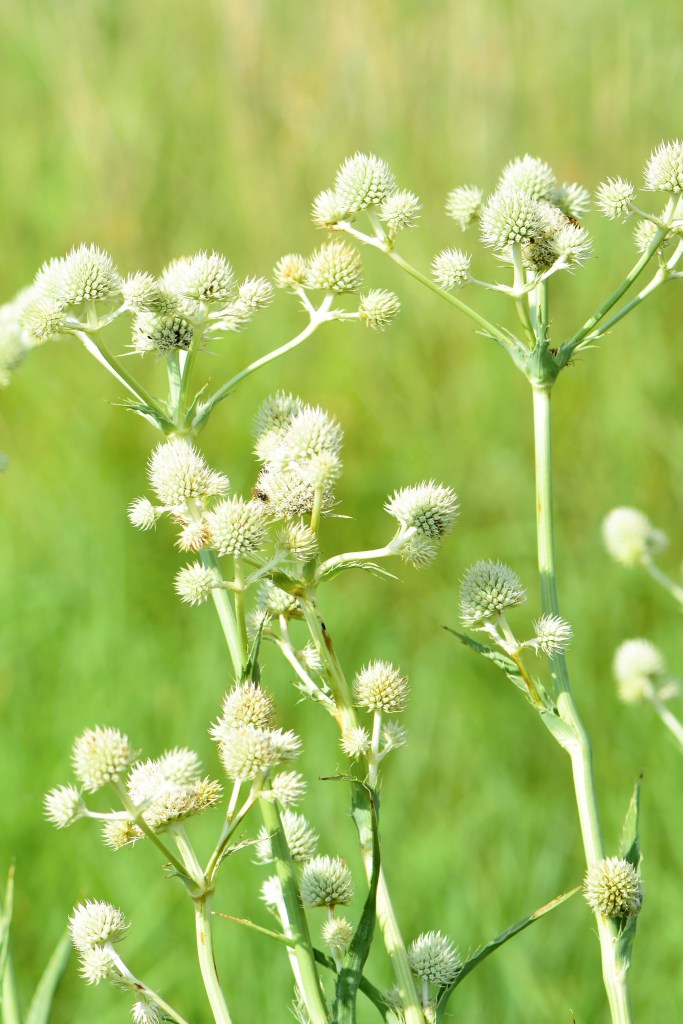
Rattlesnake Master (Eryngium yuccifolium)
A unique and striking plant with fragrant, showy, rounded flowers that provide abundant nectar for beneficial wasps, bees, butterflies, and beetles. Stiff sword shaped leaves are deer resistant and also add winter interest.
Abundant Harvests
By incorporating these and other native plants into or around our edible gardens, we can provide food, shelter, and stability for the insects that support abundant harvests year after year.
 Central Kansas Lawn & Garden Blog