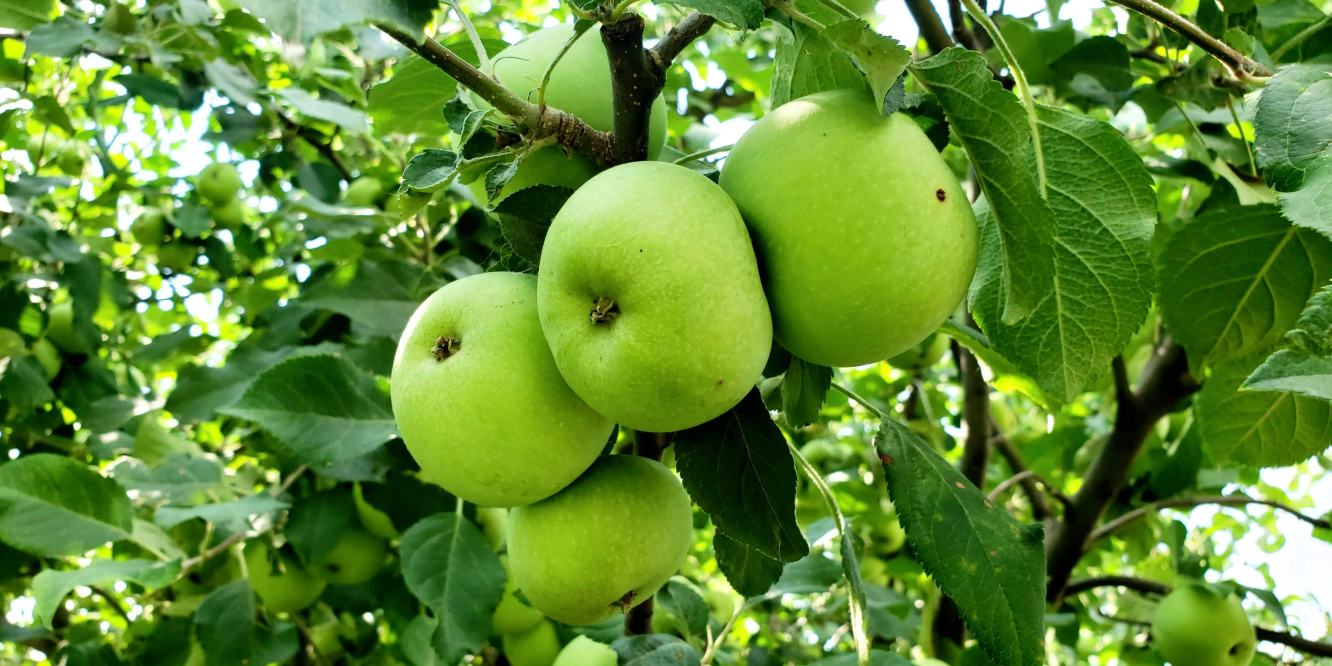
Choosing the right fruit tree can mean the difference between years of bountiful harvests and endless frustration. Here in Central Kansas, where late spring frosts, summer heat, variable rainfall, and insect and disease pressures challenge even experienced gardeners, selecting proven, low-maintenance varieties is essential for success.
Recommended varieties should have strong disease resistance, an appropriate bloom timing to avoid frost damage, and proven performance in our climate.
What Makes a Variety ‘Low-Maintenance’?
What truly separates a low-maintenance fruit tree from one that requires more attention?
Disease resistance is critical. For apples, this means immunity or high resistance to apple scab, cedar apple rust, fireblight, and powdery mildew. For pears, fireblight resistance is important. Stone fruits should show resistance to bacterial spot and brown rot. These disease-resistant varieties may reduce or eliminate the need for fungicide sprays throughout the growing season.
Later blooming time helps trees escape our unpredictable late spring frosts. A beautiful tree in full bloom means nothing if a hard freeze destroys all the flowers before they can set fruit.
Self-fertility is a bonus but not essential. Some excellent varieties do require a pollinator partner, but if you have limited space, self-pollinating varieties simplify your orchard planning.
Top Apple Varieties: Disease-Resistant Champions
The Giving Grove, a Kansas City-based organization specializing in community orchards across the Midwest, recommends several PRI (Purdue, Rutgers, Illinois Universities) apple selections bred specifically for disease resistance. These varieties have proven themselves as good options in our region as well.
For early season harvest: ‘Pristine’ ripens in July with large, yellow, crisp apples excellent for fresh eating or baking. It’s highly resistant to scab and cedar apple rust. ‘Redfree’ offers attractive red fruit with excellent disease resistance across the board.


For mid-season: ‘Liberty’ is a workhorse variety very similar to McIntosh but with crisper flesh and better disease resistance. It is productive, stores well, and resists all major apple diseases.
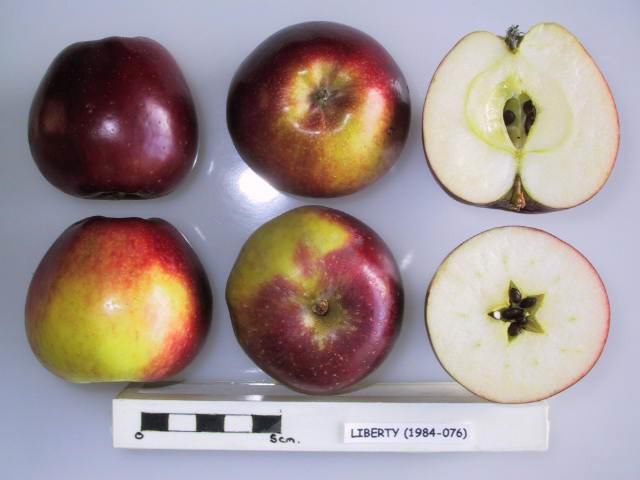
For late season: ‘Enterprise’ produces glossy red apples with flavor that actually improves in storage. It’s immune to scab and resistant to fireblight, cedar apple rust, and mildew. ‘Sundance’ is another late season variety that is disease resistant and has sweet, pale yellow fruit.
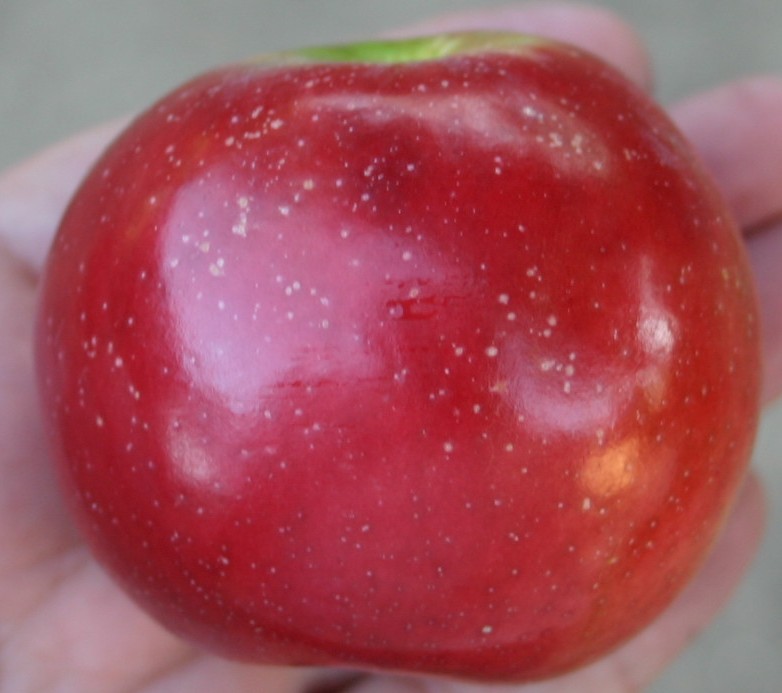
Remember that most apples need two varieties for adequate pollination unless there’s a nearby crabapple. Plant varieties with overlapping bloom times for best fruit set.
Pears: Fireblight-Resistant Selections
Fireblight can be a concern of pear growers in our region, and is capable of causing damage to limbs and even entire trees. Fortunately, breeders have developed several resistant varieties that can thrive in Central Kansas.
‘Moonglow’ stands out as highly resistant to fireblight while producing medium to large yellow fruit with pink blush. It’s excellent for fresh eating and canning, ripening in mid-season. The Giving Grove also recommends ‘Sunrise’, a newer introduction from 2006 with excellent fireblight and pear scab resistance. ‘Harrow Sweet’ ripens late and stores until nearly Christmas, making it a true winter pear with excellent blight resistance.
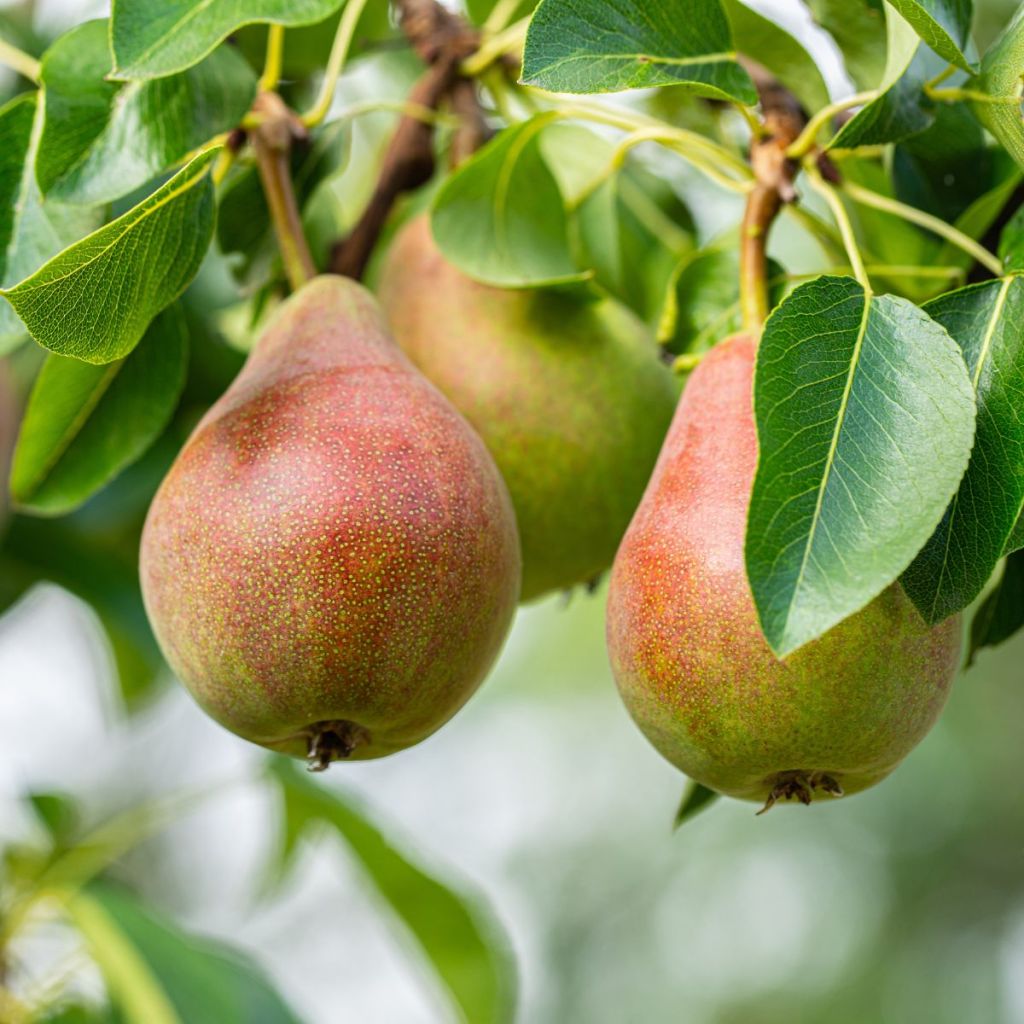
For earlier harvest, both ‘Harrow Delight’ and ‘Summercrisp’ (from the University of Minnesota) are proven performers. ‘Summercrisp’ in particular is noted as free of fireblight and an annual bearer.
All these pears need a pollinator, so plan to plant at least two varieties.
Stone Fruits
While certain stone fruits can be challenging in Kansas, selecting disease-resistant and late-blooming varieties makes success more likely.
Peaches: ‘Contender’ is known for its later bloom time and cold hardiness, making it a top choice for avoiding spring frost damage. ‘Harrow Diamond’ offers early fruit and is also known for exceptional cold hardiness. For disease resistance, ‘Flamin’ Fury PF19-007′, is a variety which has shown resistance to both bacterial spot and brown rot while producing large fruit.
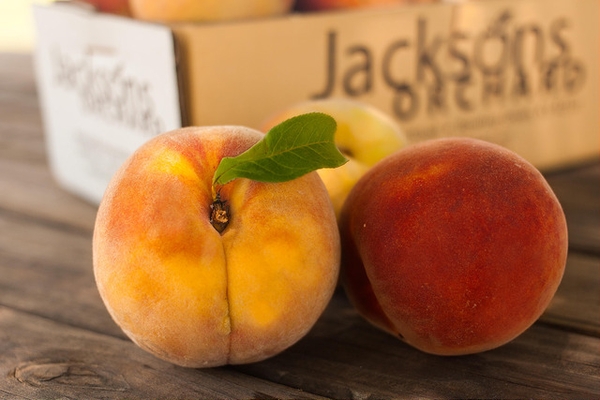
Other K-State recommendations include ‘Redhaven’ (though it may require thinning due to heavy fruit set) and ‘Reliance’ for exceptional hardiness. All peaches listed are self-pollinating.
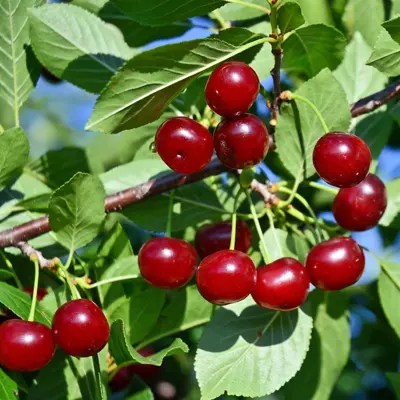
Cherries: For tart cherries, ‘Montmorency’ remains the standard with bright red fruit and heavy production. It’s self-pollinating and widely adapted. ‘Danube’ offers an excellent alternative—a sweet/tart hybrid from Hungary with dark red fruit and wonderful unique flavor. It is self-fertile, productive, and ripens in the later season.
The Giving Grove also highly recommends the Romance series bush cherries (‘Carmine Jewel’, ‘Romeo’, ‘Juliet’). These compact 6-7 foot plants are easy to harvest from and produce tart fruit hidden under foliage where birds have difficulty find them, and they’re self-fertile. They require excellent soil drainage.
Asian Pears: An Underappreciated Option
Asian pears deserve more attention in Kansas gardens. ‘Shinseiki’ (meaning “New Century”) produces golden, sweet, crisp fruit with excellent fireblight resistance. ‘Shinko’ takes disease resistance even further with very high resistance to fireblight. It produces sweet, butterscotch-flavored fruit with russeted skin that stores for four to six months.
Asian pears need cross-pollination, so plant at least two varieties. Their crisp texture remains even when fully ripe, making them unique among pears.
Practical Considerations
Beyond variety selection, a few practical factors ensure success:
Site selection matters. All fruit trees need full sun (8+ hours daily), good air circulation, well-drained soil with pH between 6.5-7.0, and easy access to water.
Rootstock determines tree size. We generally recommend semi-dwarfing rootstocks that keep trees at a manageable size for harvesting and maintenance while providing enough vigor to withstand Kansas winds. These typically result in trees between 10-15 feet tall, which is ideal for most home orchards.
Pollination partners need proximity. Bees effectively pollinate within about 100 feet. Plant compatible varieties close enough to ensure good fruit set.
Quick Reference: Recommended Varieties
| Variety | Fruit Type | Season | Key Features | Pollination |
| Pristine | Apple | Early (July) | Scab & rust resistant, crisp | Needs pollinator |
| Redfree | Apple | Early | Excellent disease resistance | Needs pollinator |
| Liberty | Apple | Mid-season | McIntosh type, stores well | Needs pollinator |
| Enterprise | Apple | Late | Scab immune, improves in storage | Needs pollinator |
| Harrow Delight | Pear | Early | Very productive | Needs pollinator |
| Moonglow | Pear | Mid-season | Highly fireblight resistant | Needs pollinator |
| Summercrisp | Pear | Mid-season | Free of fireblight, hardy | Needs pollinator |
| Harrow Sweet | Pear | Late | Stores til Christmas, blight resistant | Needs pollinator |
| Harrow Diamond | Peach | Very early | Late bloom, frost tolerant | Self-pollinating |
| Contender | Peach | Late | Cold hardy, late bloom | Self-pollinating |
| Flamin’ Fury | Peach | Mid-late | Spot & brown rot resistant | Self-pollinating |
| Danube | Cherry (sweet-tart) | Late | Sweet-tart, productive, self-fertile | Self-pollinating |
| Montmorency | Cherry (tart) | Mid-season | Heavy producer, standard variety | Self-pollinating |
| Carmine Jewel | Bush Cherry | Early | Compact (6-7′), bird resistant | Self-fertile |
| Shinseiki | Asian Pear | Early | Fireblight resistant, crisp | Needs pollinator |
| Shinko | Asian Pear | Late | Very fireblight resistant, stores 4-6 mo | Needs pollinator |
Getting Started
Choosing a recommended fruit variety won’t eliminate all fruit growing challenges, but can dramatically reduce disease pressure, improve frost tolerance, and increase your odds of consistent harvests year after year. For more detailed cultivar information, The Giving Grove maintains an excellent online resource at http://www.givinggrove.org/orchard-varieties, and K-State Research and Extension publication MF1028 ‘Small- and Tree-Fruit Cultivars’ provides additional recommended varieties.
 Central Kansas Lawn & Garden Blog