
By late January, many gardeners are itching to get their hands in the soil—even though winter is far from over in Central Kansas. The good news is that you don’t have to wait for spring to start gardening. A simple seed-starting method called winter sowing allows gardeners to plant seeds outdoors now and let nature do much of the work.
Winter sowing is a low-cost, low-maintenance way to start seeds in late winter for transplanting into the garden in spring. Seeds are planted in recycled containers—most commonly milk jugs—that function like miniature greenhouses, making it possible to start seeds without taking up valuable indoor space.
Why Winter Sowing Works
Winter sowing mimics natural seed germination. Many plants—especially native species and cool-season crops—are adapted to sprout after exposure to cold, moist conditions. As temperatures gradually warm in late winter and early spring, seeds germinate at the right time without the need for grow lights, heating mats, or daily attention.
Seedlings grown this way are often more compact, resilient, and ready to handle spring weather compared to those started indoors.
Supplies you will need include:
- Clean milk jug
- Scissors
- A Nail
- Potting mix
- Seeds
- Duct tape
- Pots or cell packs
- Labels
- Marker, pencil or grease pencil

There are many options for seeds that can be sown in the jug in late January.
| Plant Category | Examples | When to Sow | Notes |
|---|---|---|---|
| Flowers | Poppy, strawflower, bells of Ireland, sweet pea, calendula, dianthus, snapdragon, pansy, nasturtium | Late January | Many benefit from cold exposure; hardy annuals perform especially well with winter sowing. |
| Native Plants | Milkweed, purple coneflower, black-eyed Susan, liatris, lobelia, penstemon, amsonia, many others | Late January | Most native species require or benefit from cold stratification for reliable germination. |
| Cool-Season Vegetables | Broccoli, cabbage, cauliflower, lettuce, kale, spinach, beets, onions | Late January into early February | Transplant outdoors early; seedlings tolerate cool spring temperatures. |
| Warm-Season Vegetables | Tomatoes, peppers, zucchini, cucumbers | Late March into early April | Wait until hard freezes are less likely; remove jug tops as temperatures warm. |
| Herbs | Oregano, marjoram, thyme, chives, parsley, *basil | Late January | Perennial and cool-tolerant herbs adapt well; *basil is best sown closer to spring when soil is warm |
How to Winter Sow Seeds
Prepare the jug
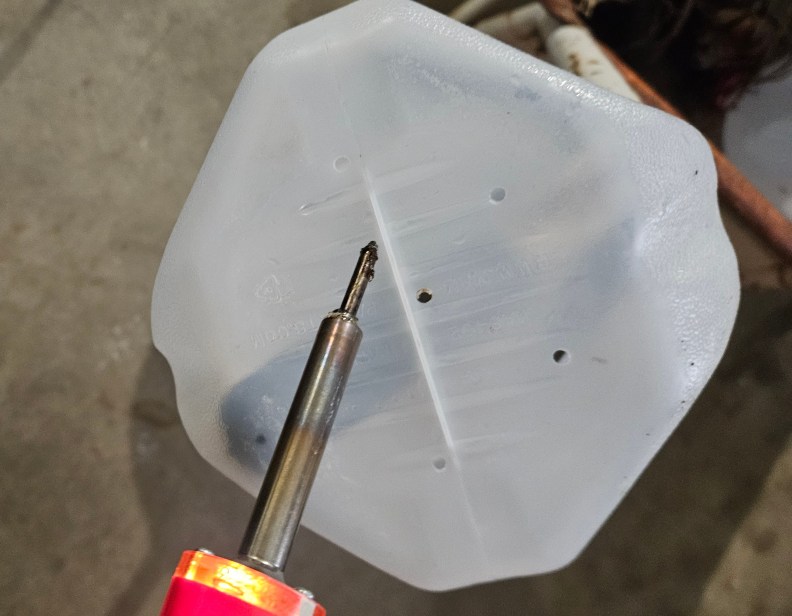
Clean the milk jug thoroughly. Using a nail, punch several drainage holes in the bottom. Remove and discard the cap.
Cut the jug
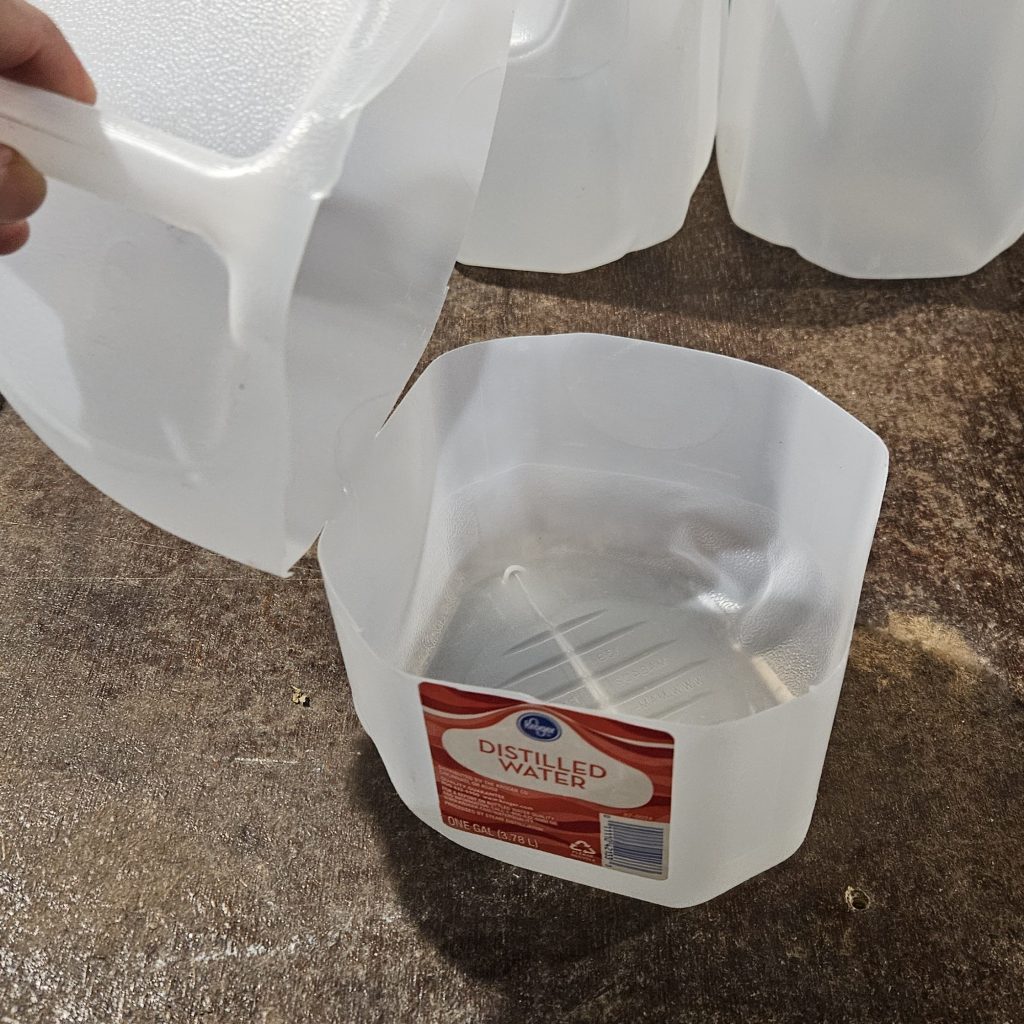
Cut around the jug horizontally, leaving a small section uncut to act as a hinge.
Add potting mix
Fill the bottom with 4–5 inches of well-draining potting mix. Moisten the soil thoroughly and allow excess water to drain.

Plant seeds
Sow seeds according to the depth listed on the seed packet. Be sure the soil is moistened thoroughly before sealing up the jug.
Seal and label
Close the jug and secure it with duct tape. Label clearly with the plant name and planting date.
Place outdoors
Set the jug outside in a protected area that still receives sun, rain, and snow. The open top allows moisture in and prevents overheating.
Caring for Winter-Sown Seedlings

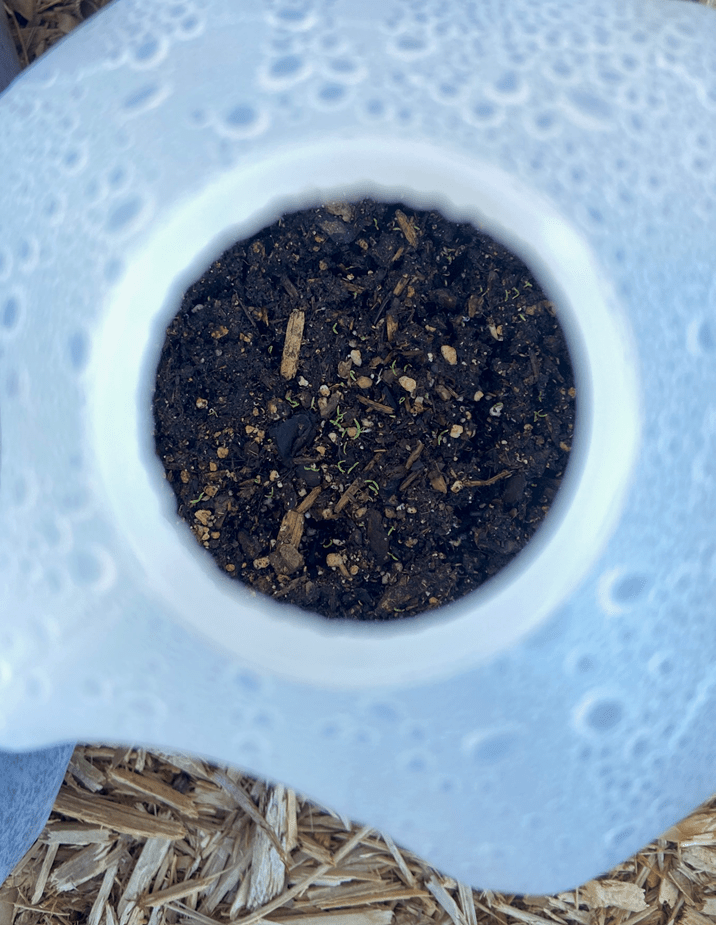
Once seedlings emerge, check them regularly. Even during cold weather, temperatures inside the jug can rise quickly on sunny days. If seedlings appear wilted, briefly open the jug to release heat.
As spring approaches and temperatures moderate, the top can be opened during the day and closed at night. Eventually, once hard freezes are past, the top can be removed entirely.
Monitor soil moisture and water as needed. When seedlings are 2–3 inches tall and have developed true leaves, they are ready to be transplanted into the garden.
A Simple Way to Get a Head Start on Spring
Winter sowing is an easy, budget-friendly way to channel your gardening energy during winter while setting yourself up for a successful spring. For Central Kansas gardeners, it’s also a great way to grow hardy plants that are already acclimated to our unpredictable weather.
 Central Kansas Lawn & Garden Blog