
There’s nothing quite like watching fireflies twinkle across the lawn on a warm summer night. These glowing insects—also called lightning bugs—add a touch of wonder to the garden. But behind the light show lies a concern: firefly populations are declining in many areas due to habitat loss, pesticide use, and light pollution.


The good news? A few thoughtful changes to your yard can help support fireflies and encourage them to return year after year.
🌿 Keep Some Lawn Areas a Little Wild
Fireflies are not flies at all—they’re beetles in the family Lampyridae. They spend most of their lives as larvae living close to the ground, where they rely on moist, shaded environments to stay cool and hunt for prey like slugs and snails. Highly manicured lawns with short, dry grass offer little habitat for them.
You can support fireflies by:
- Setting aside natural areas of your yard that provide habitat features such as shade, downed wood, leaf debris, and unmowed vegetation
- Incorporating logs and a few large rocks into shaded or moist parts of the landscape
- Leaving leaf litter and natural debris in less-used corners
- Reducing frequent mowing and avoiding over-manicuring your landscape

🌱 Skip the Pesticides
Firefly larvae (which live 1-2 years) are beneficial predators that feed on slugs, snails, and other soft-bodied insects in the soil and leaf litter. However, the use of broad-spectrum insecticides on lawns or in the landscape can reduce insect diversity and directly harm fireflies—especially in areas where larvae are developing.

You can help protect fireflies by:
- Eliminating or limiting pesticide use, particularly in shady and undisturbed areas where fireflies and their larvae may be active
- Choosing targeted or organic treatments only when necessary
- Practicing integrated pest management (IPM) to balance pest control with pollinator and wildlife conservation
Dim the Lights
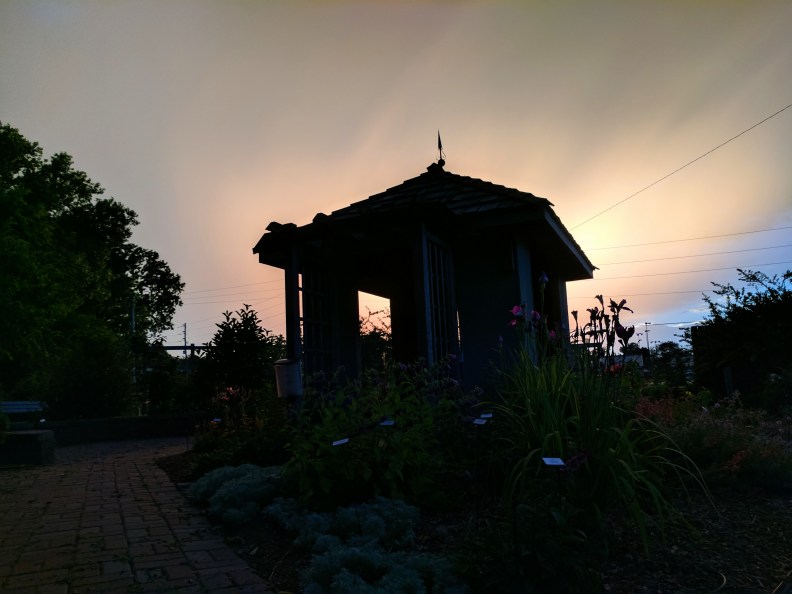
Fireflies use their blinking lights to find mates and communicate. Outdoor lighting disrupts this behavior, reducing their ability to reproduce.
You can help by:
- Turning off porch, security, or landscape lights after dark.
- Using motion-sensor or low-wattage bulbs.
- Shielding lights downward to reduce skyglow.
Even dimming a few lights can make a difference during peak firefly activity after dusk.
💧 Provide a Moisture-Rich Habitat
Fireflies are most abundant in humid environments such as creek banks, wet meadows, and woodland edges. While not every yard has a natural water feature, you can still create moisture-retaining conditions that benefit fireflies.
Support their habitat by:
- Installing a rain garden in a naturally low-lying area
- Adding a water feature to your landscape
- Plant trees and shrubs that provide shade in the landscape
- Applying organic mulch to help keep soil cool and damp
🧡 Firefly-Friendly Gardening Supports Biodiversity


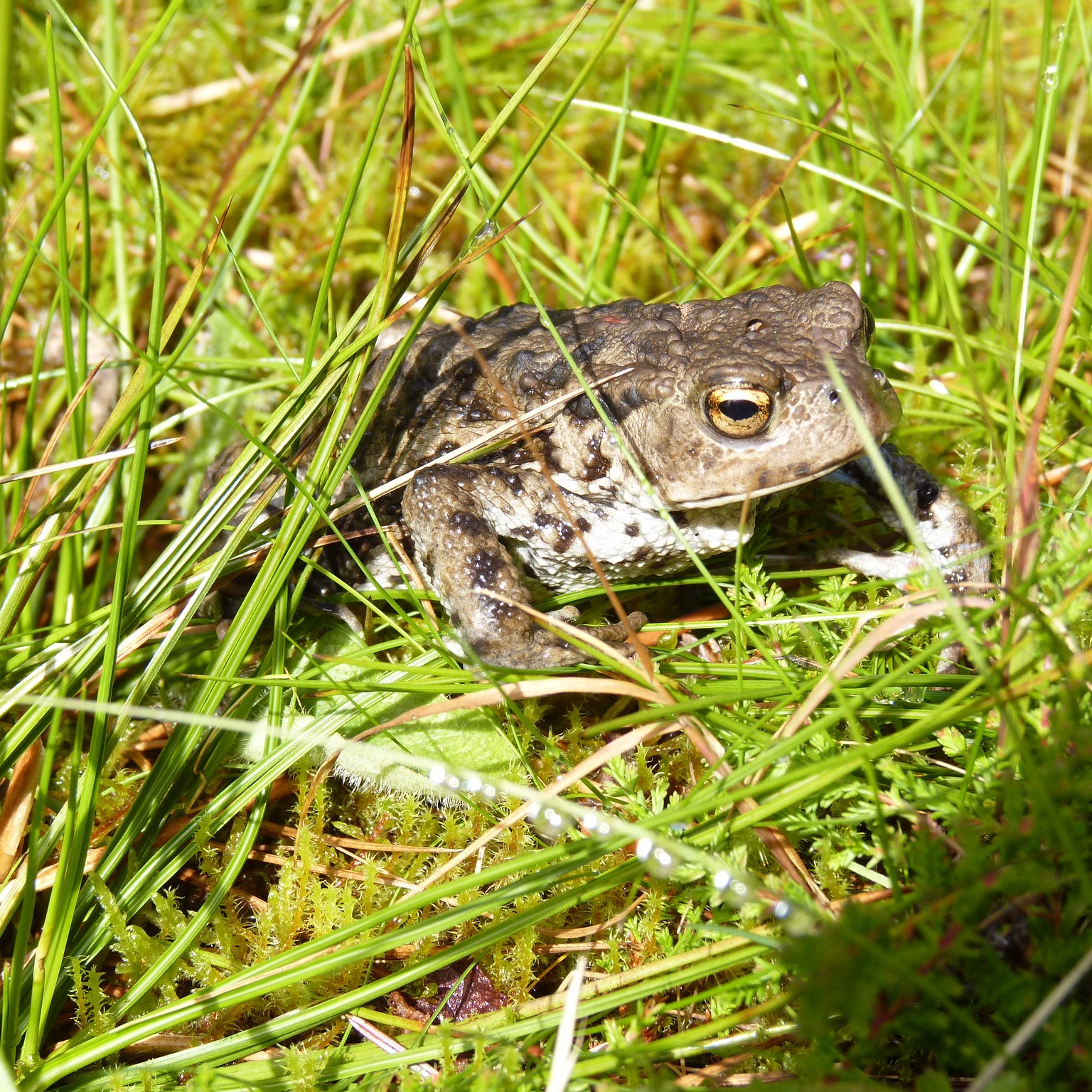

The same practices that support fireflies also help butterflies, pollinators, toads, and birds. Let your garden grow a little wilder and more connected to the natural rhythms of the Kansas prairie.
🌾 What to Plant: Firefly-Friendly Native Plants for Central Kansas
These plants can be a good starting point when planning for a firefly friendly garden but any native trees, shrubs, and perennials can be used.
| Native Plant | Type | Firefly Benefit |
|---|---|---|
| Little Bluestem (Schizachyrium scoparium) | Grass | Provides larval shelter and humidity |
| Switchgrass (Panicum virgatum) | Grass | Dense cover, holds moisture |
| Northern Sea Oats (Chasmanthium latifolium) | Grass-like | Good for low maintenance shade areas, reseeds and spreads |
| Wild Bergamot (Monarda fistulosa) | Perennial | Supports pollinators and dense foliage |
| Golden Alexanders (Zizia aurea) | Perennial | Attracts beneficial insects, holds ground moisture |
| Purple Coneflower (Echinacea purpurea) | Perennial | Dense basal leaves retain soil humidity |
| Columbine (Aquilegia canadensis) | Perennial | Shade-tolerant, attracts pollinators |
| Native Sedges (Carex spp.) | Grass-like | Good cover that grows well in moist/shady areas |
| Buttonbush (Cephalanthus occidentalis) | Shrub | Thrives in damp areas, supports many insects |
| Goldenrod (Solidago spp.) | Perennial | Provides nectar for adult fireflies |
| Joe Pye Weed (Eupatorium spp.) | Perennial | Prefers moist soil, good cover, attracts pollinators |
 Central Kansas Lawn & Garden Blog