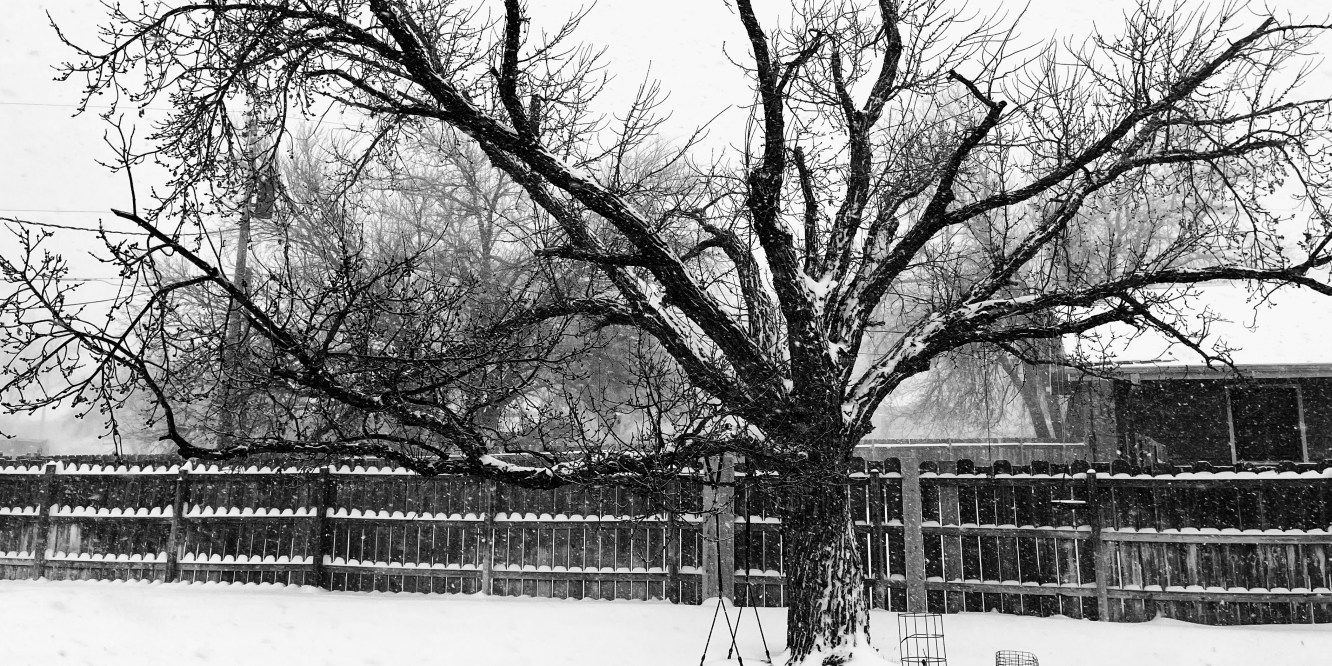
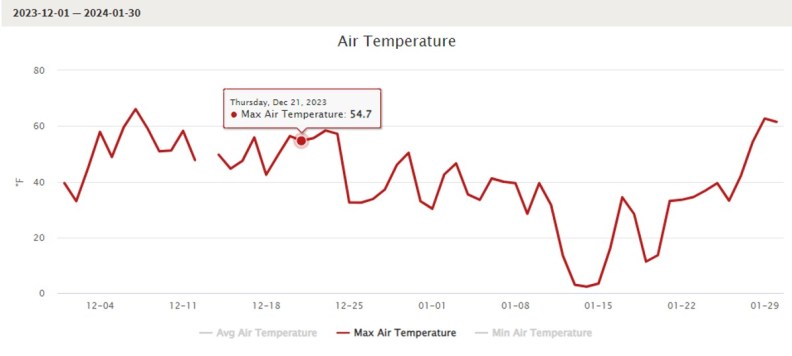
Central Kansas winters can be anything but predictable. One week, we’re enjoying a warm spell that feels like spring and the next we are bundling up against extreme cold and wind. January 2025 has already proven to be a roller coaster for plants. Average to mild December weather was quickly replaced by temperatures as low as -10 degrees in our area on January 6th and 7th.

These dramatic temperature swings aren’t just confusing for us—they can cause winter injuries to our plants. Understanding dormancy and acclimatization is key to helping our plants and gardens survive winter’s ups and downs.
What Is Dormancy?
Dormancy is a plant’s natural survival strategy to endure freezing temperatures and limited sunlight. During this stage, growth slows or stops as plants conserve energy and prepare for spring.
Dormancy has two distinct phases:
- Endodormancy: Triggered by shorter days and cooler temperatures, this phase is internally regulated by the plant. It won’t resume growth until it has experienced enough chilling hours (32°F–45°F) to break dormancy.
- Ecodormancy: After chilling requirements are met, plants become more sensitive to external conditions like temperature. A prolonged warm spell during this phase can prematurely “wake up” the plant, making it vulnerable to freeze damage.
The Role of Acclimatization
Acclimatization is the gradual process by which plants prepare for winter dormancy. As temperatures drop in the fall, plants shed leaves, thicken their cell walls, and produce sugars or proteins that act like antifreeze to protect their tissues from freezing.
However, Kansas’s unpredictable winters often include above average December temperatures that can slow or interfere with proper acclimatization. We also encounter midseason warm spells—sometimes in January or February—that can confuse plants. These warm periods, especially after chilling hour requirements have been met, may disrupt acclimatization and trick plants into breaking dormancy too soon. Buds may swell, bark tissues may activate, and cambium cells may resume activity, only to suffer severe damage when a sharp freeze follows.
Kansas Winters and Freeze Damage
Many gardeners in central Kansas remember last winter 2023–2024. Much like this year, after a mild fall and early winter, temperatures dropped sharply around January 15–16, 2024. This sudden freeze caused widespread injury to woody plants and other perennials, since the warmth before the cold snap had disrupted acclimatization and dormancy.
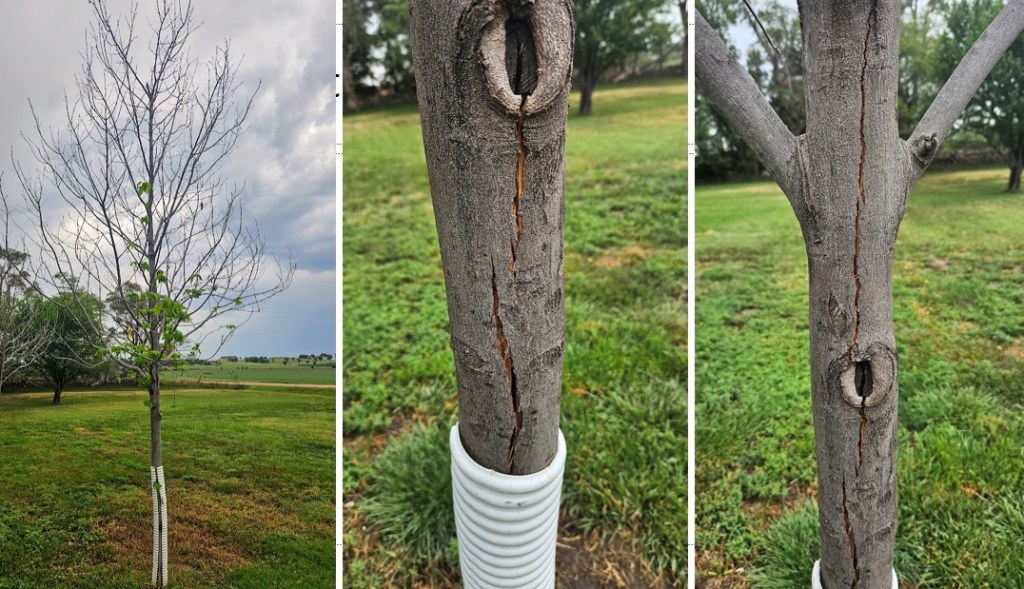
The following photos are examples winter injuries found on trees in our area that have been caused by sharp temperature drops after periods of unseasonably warm winter weather.

To minimize this kind of damage in the future, gardeners can take proactive steps.
What to Do
Choose Cold-Hardy and Recommended Plants
It is very important to select plants that are well-suited to Kansas’s USDA Hardiness Zone 6B or lower. For example, bur oak is cold hardy down to Zone 3, develops thick bark, and as a native tree, is less likely to be damaged by midwinter warm spells. Kentucky coffeetree is another native tree known for impressive winter hardiness. K-State Research and Extension provides recommended plant lists to help homeowners choose these well-adapted species.
Maintain Insulating Mulch
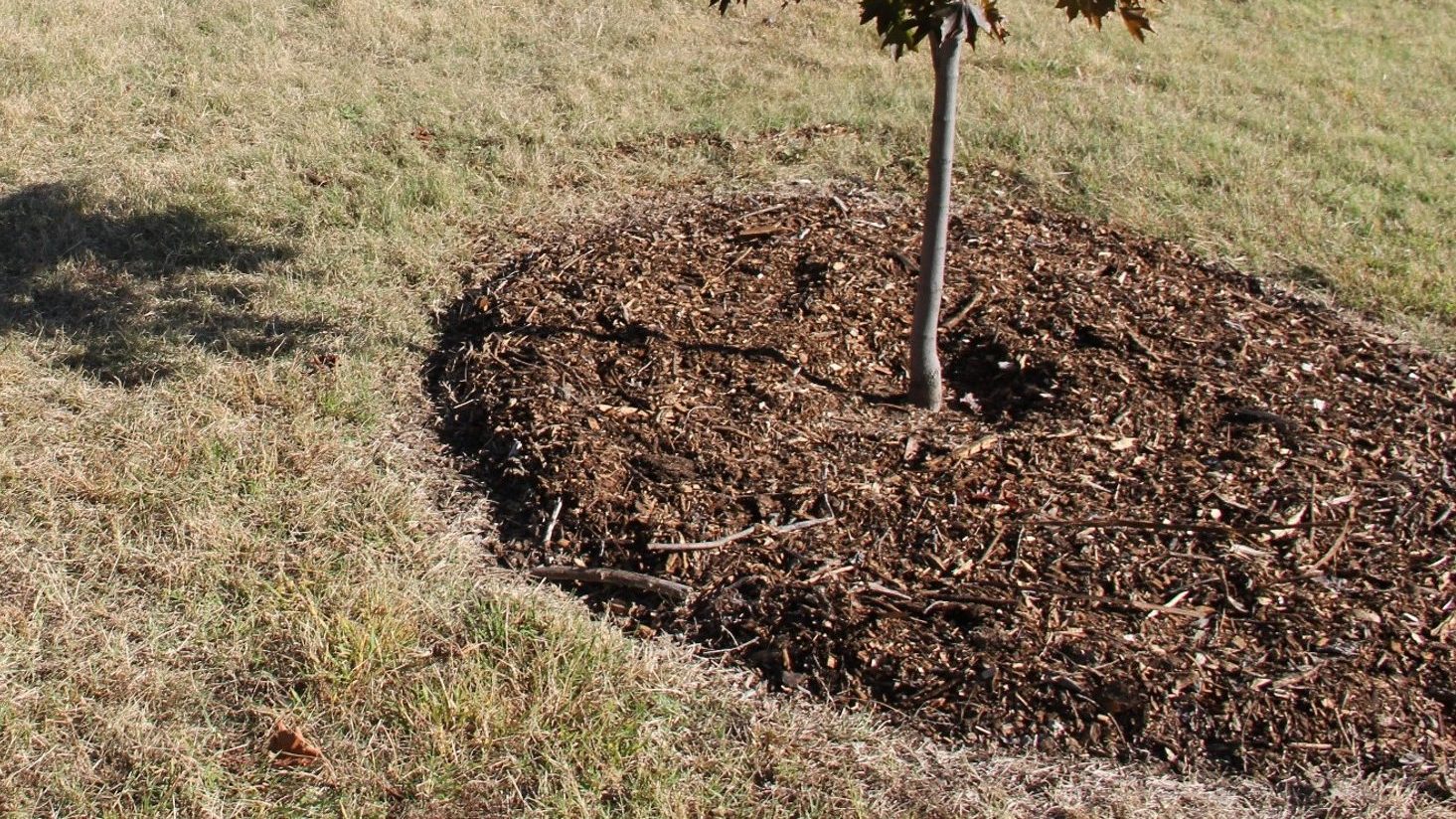
Apply a 2–4 inch layer of mulch around the root zone of plants to help stabilize soil temperatures. This prevents soil from warming too much during a midwinter warm spell, which can trigger premature root activity.
Avoid Late-Summer Fertilization and Pruning
Fertilizing or heavy pruning in late summer can stimulate growth at a time when plants should be entering dormancy. Research the ideal timing for your specific plants and trees. For trees, it’s best to wait until late winter or early spring for larger pruning cuts, as this allows wound healing processes to begin quickly when active spring growth resumes.
Provide Winter Protection for Vulnerable Plants
Some plants, such as hybrid roses and strawberries, may need additional winter protection. See our publications on roses and strawberries for winter protection information. It is especially important to wrap young or thin-barked trees in the landscape with tree guards until their bark becomes corky to prevent sunscald.
See this past post for tree winter protection details.
Ensure Proper Soil Moisture
Kansas winters are often dry, which can desiccate plant tissues. When needed, a midwinter watering on a warm day, when soil is not frozen, can provide essential moisture to trees, shrubs, and perennials. Aim for deep, infrequent watering to support healthy roots in general.
Choose Fruit Plants Carefully
For fruit trees and berries, dormancy isn’t just about survival—it’s essential for productivity. These plants need a specific number of chilling hours (32°F–45°F) to flower and fruit properly. Too many warm days in winter can cause buds to break prematurely, leaving plants vulnerable to spring frosts. Select fruit trees less prone to late spring frost damage. Apples, pears, and sour cherry trees are good choices in Kansas, as they bloom later than peach and apricot trees, which are more vulnerable.
Appreciating Dormancy’s Role
Dormancy and acclimatization are vital processes that ensure plant survival in winter and readiness for spring growth. While a warm winter week may feel like a welcome break for us, it can pose significant risks to our landscape plants. By choosing the right plants, providing proper mulching or winter protection, and avoiding practices that may disrupt acclimatization, we can help our plants and gardens weather the unpredictable winters in Kansas.
 Central Kansas Lawn & Garden Blog