
Kansas weather can be tough on the trees in our local landscapes. I’ve heard from many local homeowners who lost trees during the late July windstorm that hit Salina and surrounding areas and if that is you, early fall is a good time to plant a replacement.
Advantage to fall tree planting
The main advantage of fall planting is that the soil temperatures are warmer and this encourages root growth more quickly as compared to cool spring soils. If the roots are able to grow quickly this also means that a fall planted tree is able to become established sooner than a spring-planted tree and will be more prepared for the heat stress next summer.
Regardless of when a tree is planted it is imperative to follow good planting procedure to get trees off to a good start. Unfortunately, many tree deaths can be attributed to mistakes made at planting time.
Tips for success
1. Plant at the correct time. If an evergreen tree or shrub is to be planted it should be sooner than later. Evergreens ideally need 5-6 weeks to establish themselves before the first killing frost. If not established properly they can be more susceptible to winter injury and desiccation from cold and wind. Deciduous trees (those that drop their leaves) may be planted later in the fall than evergreens but the benefits of warm soil and quick root growth are lost the later the tree is planted. Deciduous trees are less prone to winter damage but must still get proper care to survive the winter.
2. One of the most common planting mistakes is planting trees too deep. As little as one to two inches too deep can create long term problems for tree roots. Dig the planting hole two to three times wider than the rootball and dig the depth of the hole 1-2 inches less than the height of the rootball. The first root (flare root) coming off the tree trunk should at ground level and no deeper.

3. Containerized trees often have circling roots that will need to be shaved or cut to prevent girdling (roots growing around and damaging the tree trunk) later on. Girdling roots can be cut with pruners or a hand saw if needed. Stopping circling roots now will prevent major problems for the tree decades later. Don’t be afraid to tease the root system apart to deal with girdling roots at planting time.
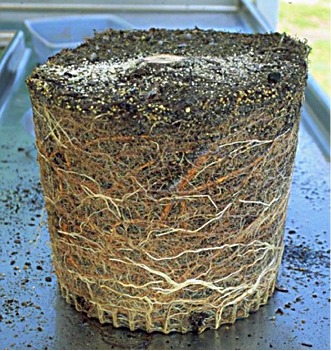
4. Once the tree is in the hole and straight, backfill with the original soil. It isn’t recommended to add compost, peat, or other organic materials to the backfill. It is possible to amend the planting site, but amending only the planting hole can negatively influence water movement into or out of the root ball, and it does not help root establishment.
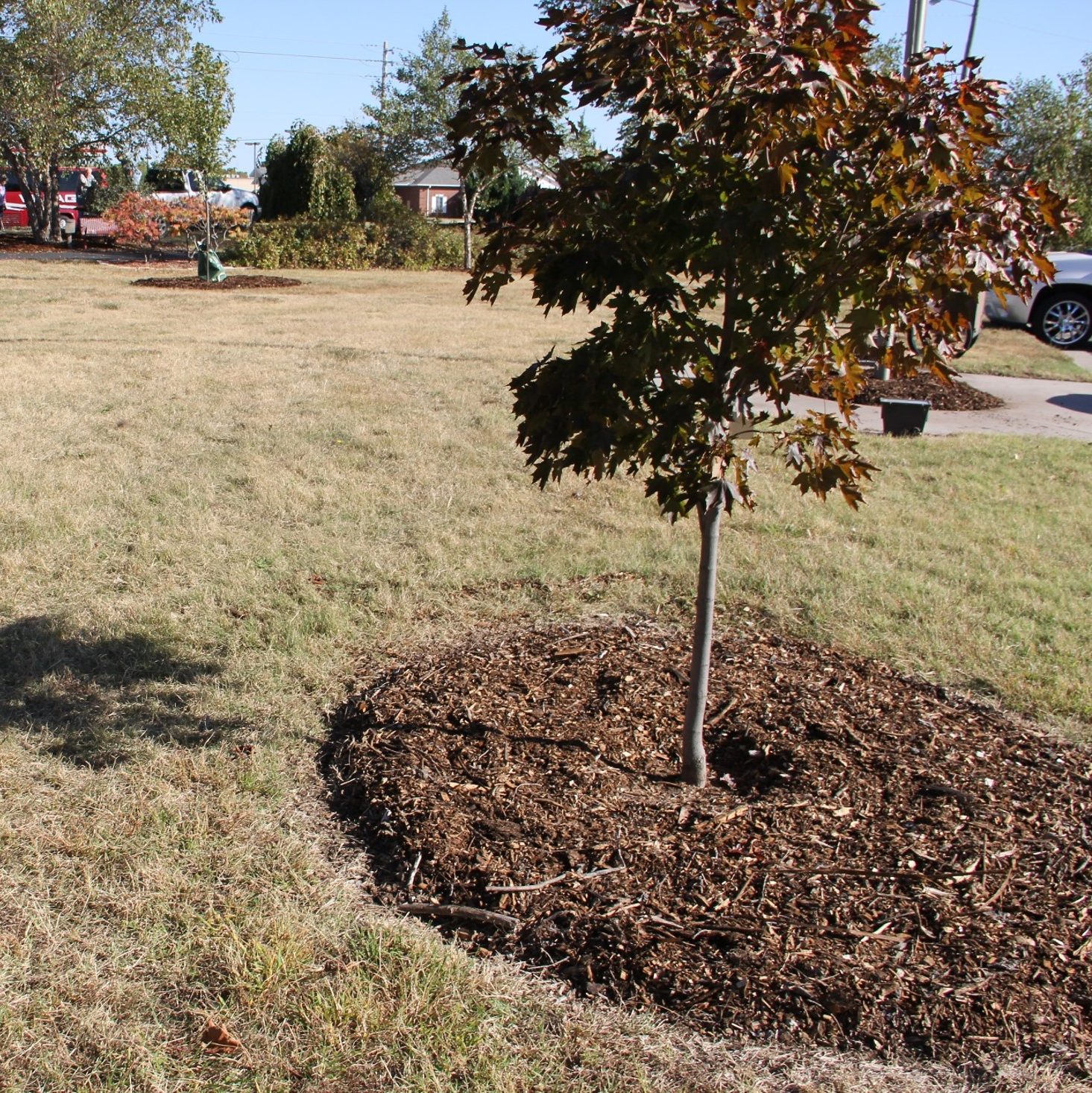
5. Mulching the entire rootzone with a 2-4 inch layer of organic mulch is highly recommended and is one of the most important steps to protect the tree from maintenance equipment and promote a quick establishment in the landscape. Be careful not to pile the mulch directly up the tree trunk itself since this can allow more points of disease entry and harbor bark chewing rodents like voles.
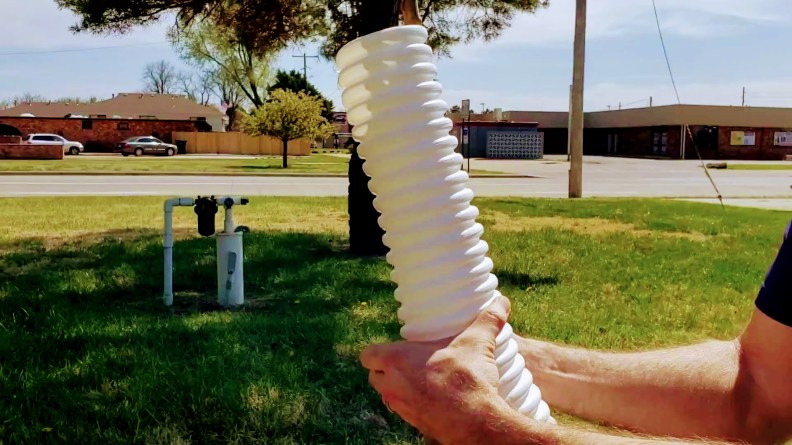
6. Trunk protection with a tree wrap or guard is recommended on newly planted trees to prevent freezing and thawing cracks that often occur on the young bark during the winter temperature fluctuations. Staking may also be necessary for long or leggy trees.
7. Consistent watering will be a must for new trees. Trees should be watered on a regular basis during the remainder of the year. Frequently check the moisture status of the tree’s rootball. Water newly planted trees when the rootball begins to dry out but do not overwater. Continue watering until the ground freezes in winter and even during the winter at least once or twice a month on warm days to avoid winter kill.
Choose recommended trees
It is important to choose trees that are adapted to our soil and climate conditions here in Central Kansas for the best chance for long term success. The list below is a good starting point for trees to consider.
 Central Kansas Lawn & Garden Blog