Pests are often the first thing that comes to gardeners minds when talking about insects. However, not all insects are bad. In fact, many insects serve important roles in gardens such as ensuring the pollination of plants and regulating pest populations.
Pollinators
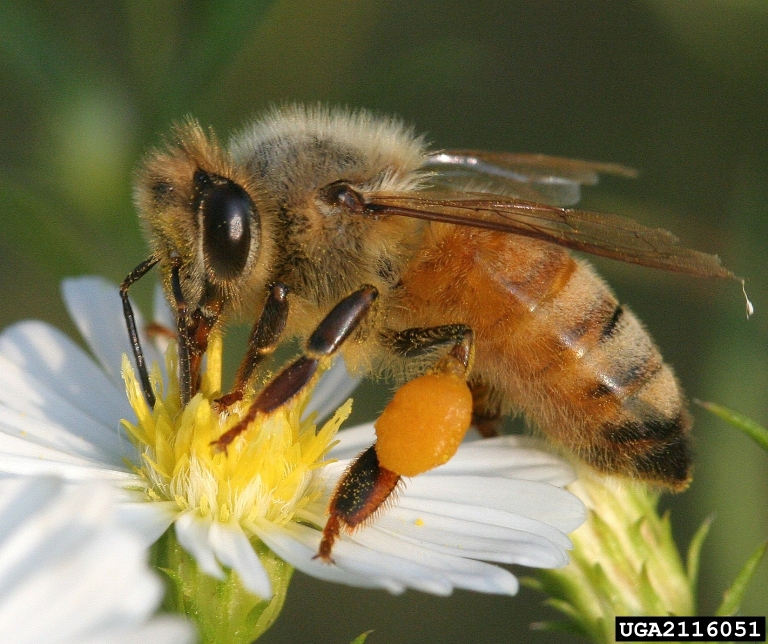
The most common pollinators in gardens and landscapes are the European honey bee, Apis mellifera
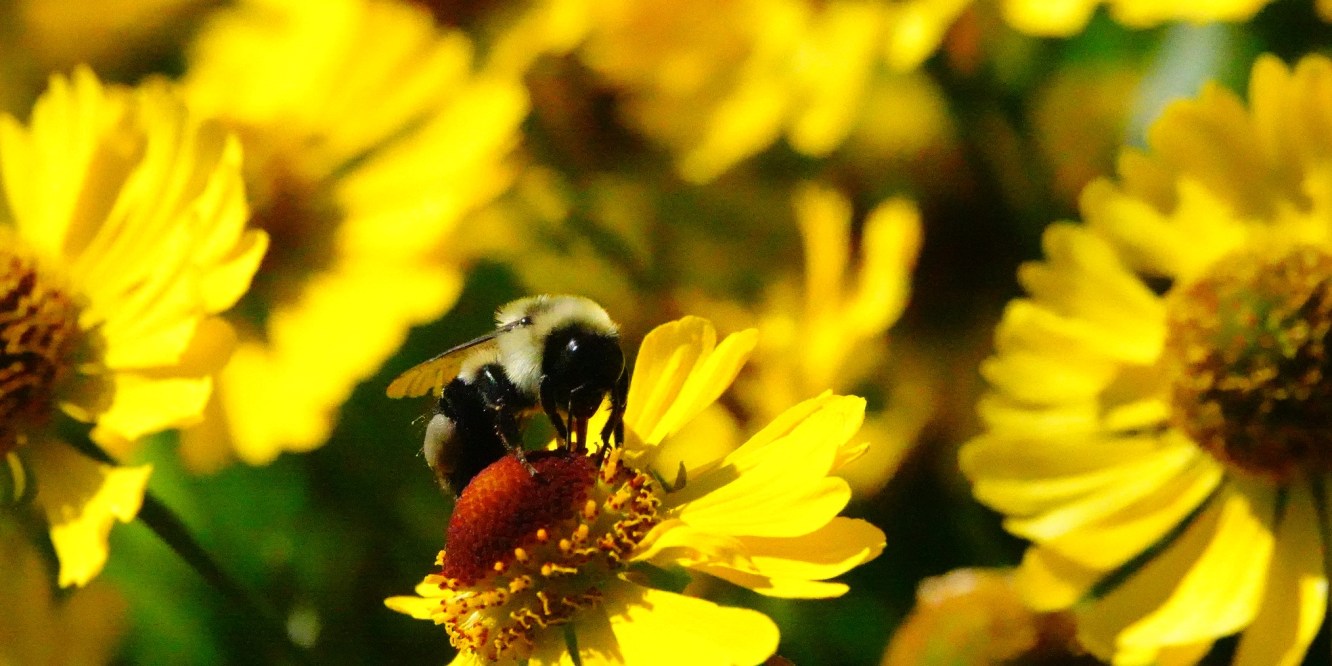
and several species of the bumble bee, Bombus spp. Native plants rely on pollinators like bees to reproduce. They are also beneficial for fruit and vegetable plants.

Beneficial Insects
Beneficial insects can be categorized as parasitoids and predators. Parasitoids attack insect pests such as caterpillars and aphids. Common parasitoids include tachinid flies and many kinds of wasps. Predators feed on small soft bodied insects. Predators of landscapes and gardens include ladybird
beetles, green lacewings, insidious flower bugs, and hover flies
Check out this link to Missouri Botanical Gardens photo page to get to know many beneficial insects you might encounter in your garden: Photos of Beneficial Insects
How to increase pollinators and beneficial insects
Bees are suffering from habitat loss which is causing a decline in bee population. Planting flowering native plants will provide a food source to bees and other beneficial insects. Use plants with varying bloom times to provide a food source all season long. Many insects need shelter to survive during the winter. Leaving plant debris in your garden until the spring will provide a nesting site for many beneficial insects.
Here is a list of flowering plants that are beneficial to pollinators:
Queen Anne’s lace | Daucus carota
Common yarrow | Achillea millefolium
Sweet clover | Melilotus spp.
Sweet alyssum | Lobularia maritima
Buckwheat | Fagopyrum esculentum
Dill | Anethum graveolens
Fennel | Foeniculum vulgare
Coneflower | Echinacea spp.
Coreopsis | Coreopsis spp.
Rosemary | Rosmarinus officinalis
Garlic chive | Allium tuberosum
Aster | Aster spp.
Sage | Salvia spp.
Black-eyed Susan | Rudbeckia hirta
English lavender | Lavandula angustifolia
Cornflower | Centaurea cyanus
Common vetch | Vicia sativa
Candytuft | Iberis amara
Marjoram | Origanum vulgare
Effect of Pesticides on Pollinators and Beneficial Insects
Most insecticides can harm pollinators and beneficial insects. Limit pesticide applications, but when required, avoid using pesticides while the plants are flowering to limit exposure to pollinators.
For more information on pollinators and beneficial insects, read this publication from K-State Research and Extension here.

 Central Kansas Lawn & Garden Blog