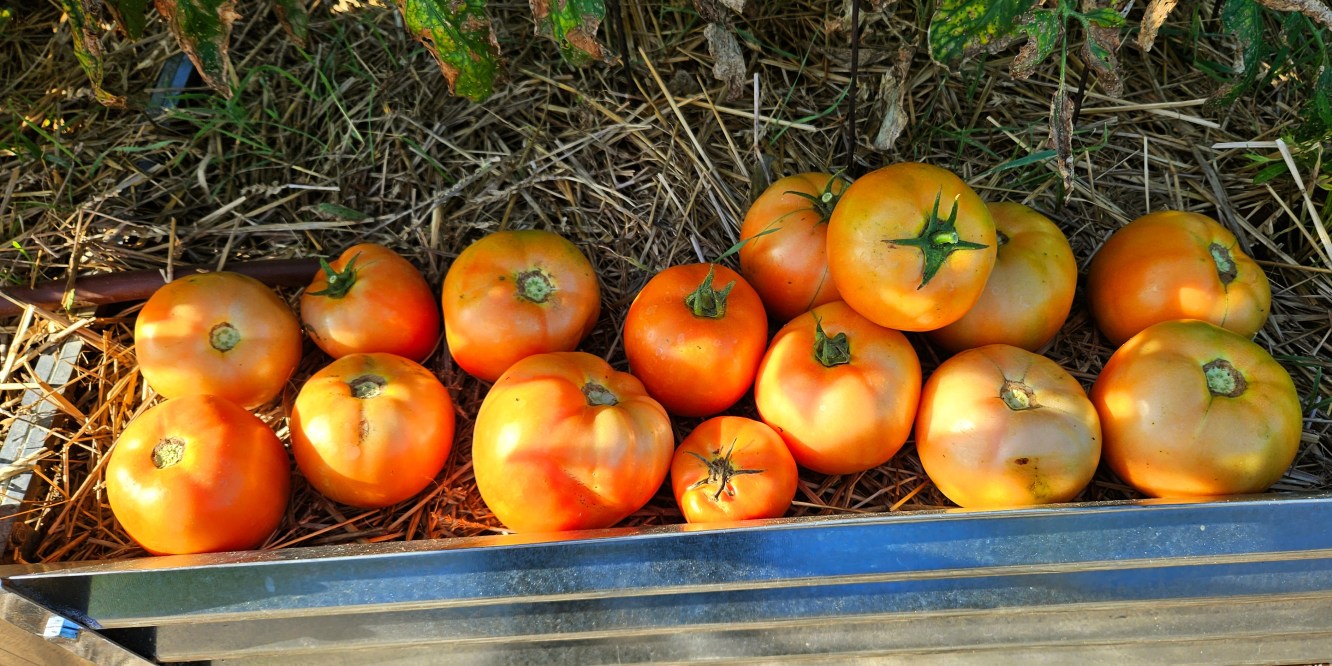
Many Central Kansas gardeners are looking forward to harvesting tomatoes soon but unfortunately there are a variety of tomato problems that can arise this time of year which may create disappointment. Below are a few common tomato problems that, if managed properly, will allow plants to continue to be productive all season long.
Blossom End Rot
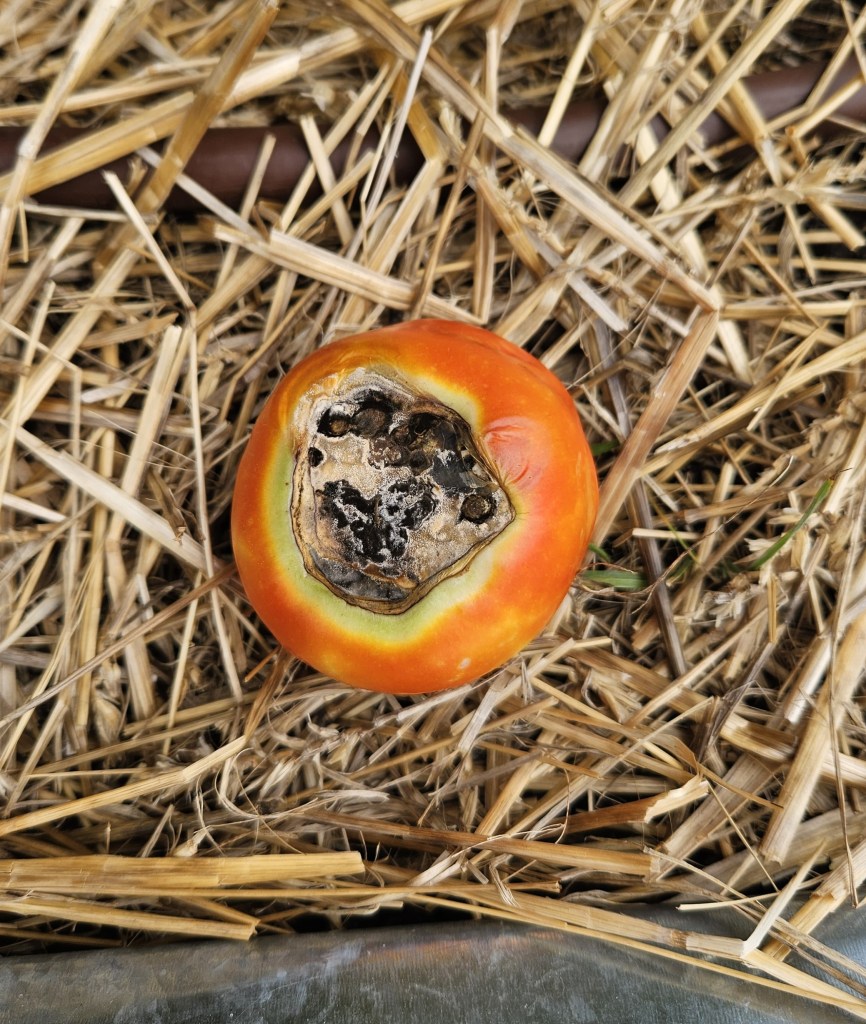
This condition is recognized by the flat, leathery area on the bottom end of the fruit that starts out as a tan spot and turns to a dark brown to black spot as the tomato matures. Blossom-end rot is a result of a calcium deficiency. Calcium is required in relatively large amounts when fruit is growing rapidly. If demand exceeds supply, deprived tissues break down leaving the dark, leathery bottom.
This is most commonly due to a problem with calcium uptake rather than an actual deficiency in the soil. Moisture plays an important role in calcium uptake in the plant. When a dry period follows adequate moisture, calcium uptake can be reduced. Root damage due to deep cultivation or burning from improper fertilization can also restrict calcium uptake.
Provide even and adequate soil moisture and be careful not to over fertilize with nitrogen. Blossom end rot us usually a temporary condition and affected fruit can be picked off to encourage new growth.
For more details read our publication on blossom end rot here.
Sun Scald
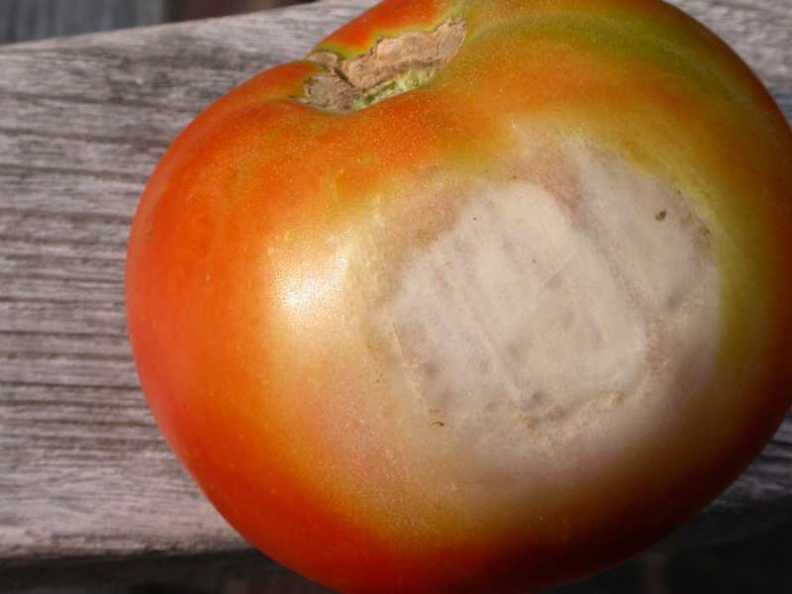
Sun scald occurs when the fruit is exposed to too much sunlight and high temperatures. This is common in tomato plants that lost leaves due to insects or disease, which allows the fruit to be exposed to direct sunlight. White or yellow spots will appear on developing fruit. The area may become a flattened grey to white spot with a paper-like texture.
It is best to remove damaged fruit because fungi and bacteria can infect these spots and cause the fruit to rot. The best way to prevent sun scald is to maintain a healthy plant with plenty of foliage. Managing pests and diseases that cause defoliation and providing adequate water is critical. Using mulch around your plants can reduce soil temperatures and conserve soil moisture during the hot, dry months, which will also help with overall plant health. Don’t forget that tomatoes can be harvested early if they are at the breaker stage. If a heatwave is in the forecast you can harvest these tomatoes before the sun burns them and let them ripen indoors.
See this related post for more information on harvesting tomatoes early.
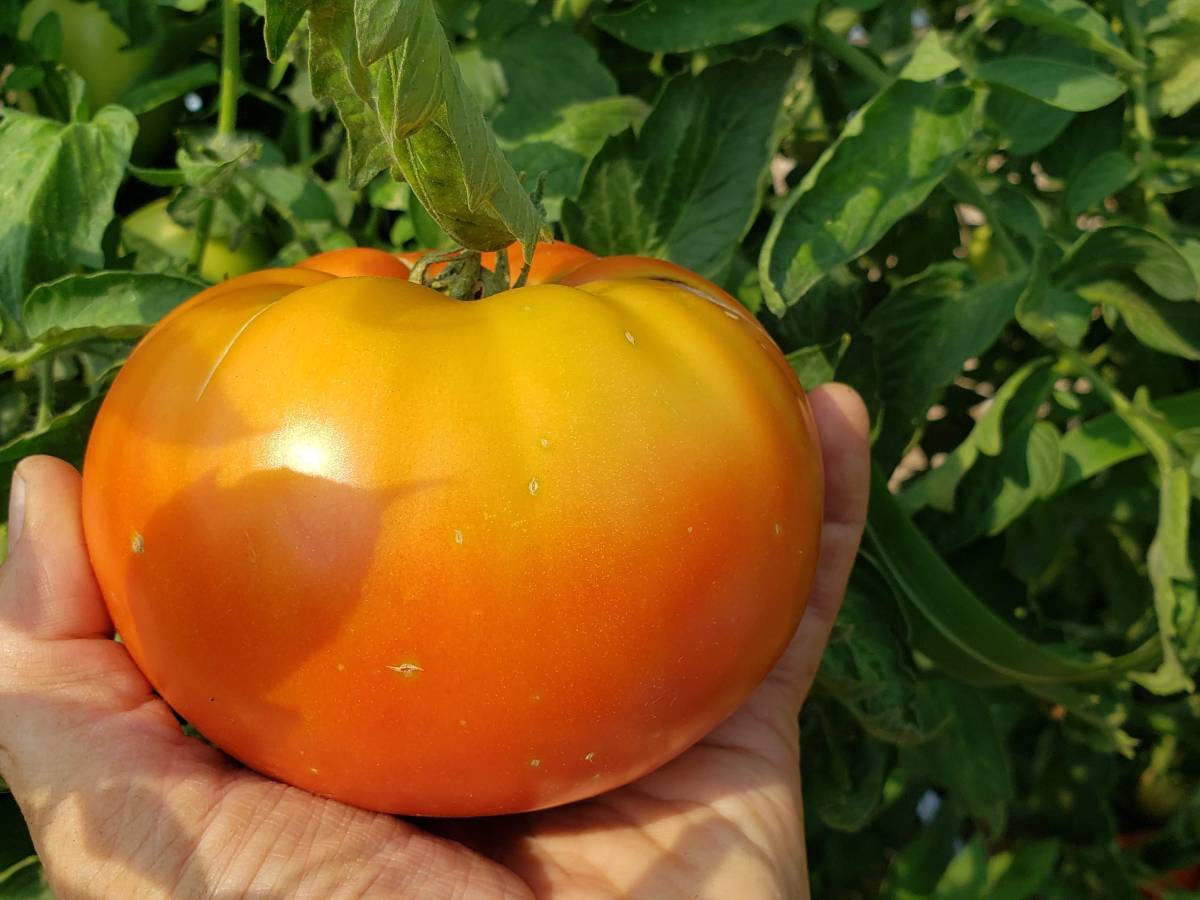
Harvesting and ripening tomatoes
Central Kansas gardeners are beginning to harvest their very first ripe tomatoes of 2023. Many gardeners wonder if a tomato has to remain on the vine until it is completely ripe to…
Leaf Rolling
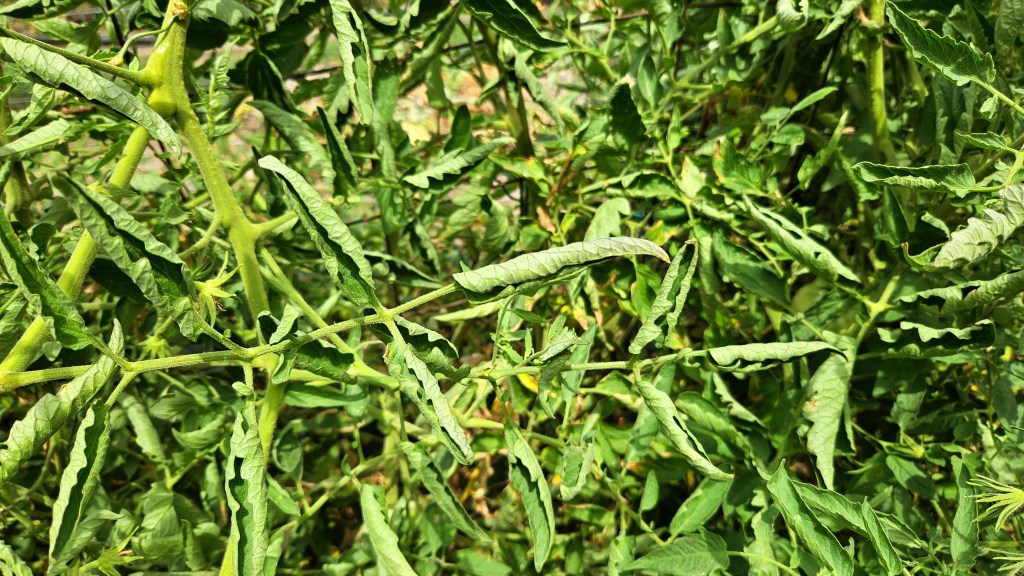
When tomato plants grow vigorously in the spring, top growth can exceed root development. When the drier summer weather hits, the foliage transpires water faster than the roots can absorb it. The plant attempts to reduce its leaf area by rolling its leaves. These symptoms may also occur after heavy cultivating or hoeing, a hard rain, or any sudden change in weather, as this causes stress to the root system.
This condition has little affect on tomato production and plant growth, but to prevent it, avoid deep hoeing close to plants, mulch to keep the soil cooler and to maintain consistent moisture level, and water just enough to keep the soil moist but not waterlogged. Leaf rolling will normally go away after a week or so when the plant has a chance to acclimate, recover from injury, or the soil has a chance to dry out.
Spider Mites
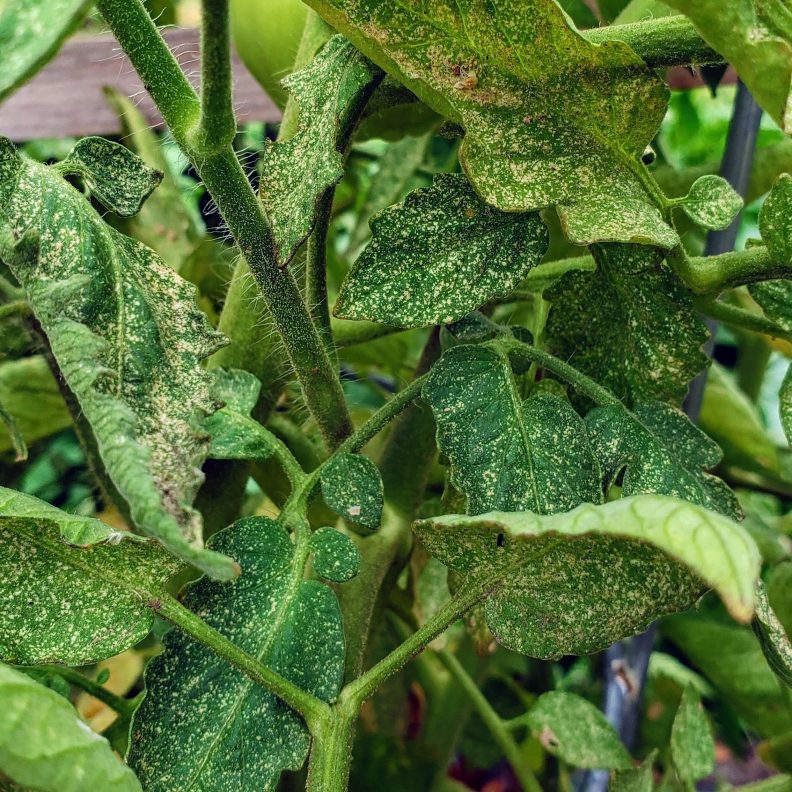
Spider mites favor hot dry summer conditions and reproduce vigorously. Mites are small in size, but the cumulation of many mites results in rapid deterioration of tomato plants. Leaf damage from mites can look like tiny, white or yellow spots, which gives the leaves a mottled appearance. More severe damage can result in bronze/brown leaves that may also drop off.
A strong spray of water can dislodge mites and provide a measure of control. Plants should be sprayed twice a week under the hot, dry conditions these mites prefer. Spray all surfaces of leaves for best control. Horticultural oils and insecticidal soaps can also be an effective control of moderate infestations. Both types of products help suppress all three life stages: eggs, immatures and adults and they are kind to mite predators. However, only those mites, immatures and eggs actually hit with the spray will be affected. Therefore, it is vital to hit the underside of the leaves. A couple of additional follow-up treatments applied three to four days after the initial treatment may be required to clean up mites escaping initial treatments, or mites that emerged from eggs present at the time of the initial treatments.
Tomato leaf diseases
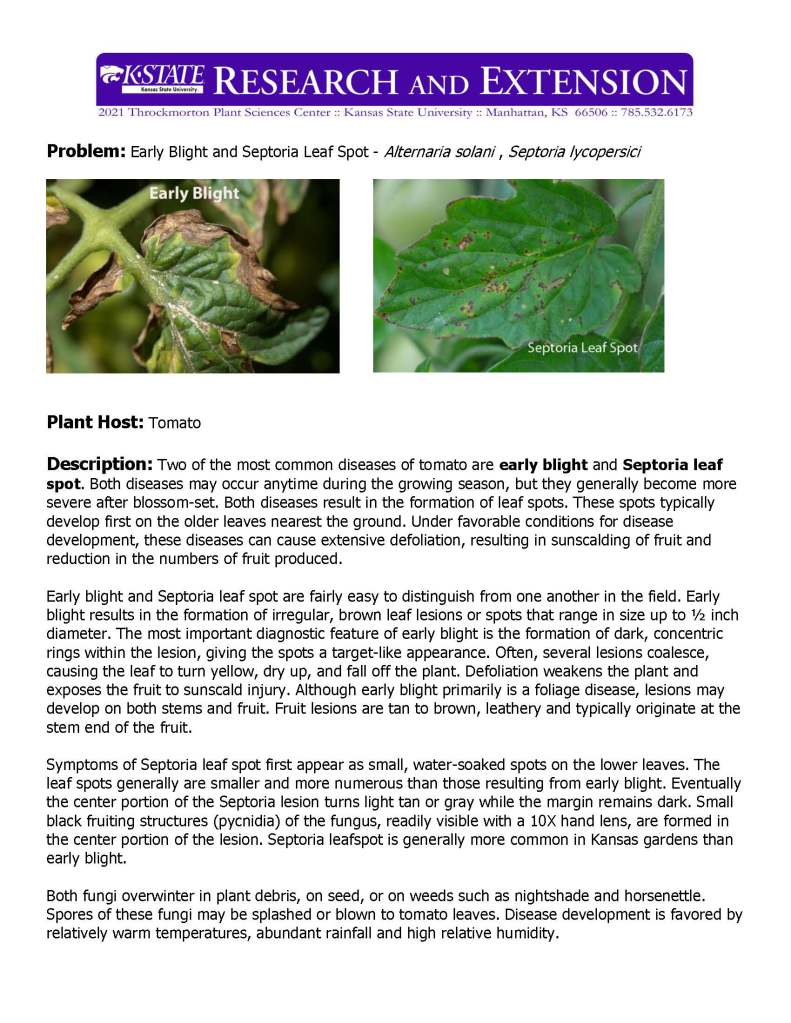
Two of the most common diseases of tomato are early blight and Septoria leaf spot. Both diseases may occur anytime during the growing season, but they generally become more severe after blossom-set. Both diseases result in the formation of leaf spots. These spots typically develop first on the older leaves nearest the ground. Under favorable conditions for disease development, these diseases can cause extensive defoliation, resulting in sunscalding of fruit and reduction in the numbers of fruit produced.
For recommendations on managing tomato leaf diseases, check out our short publication below.
 Central Kansas Lawn & Garden Blog