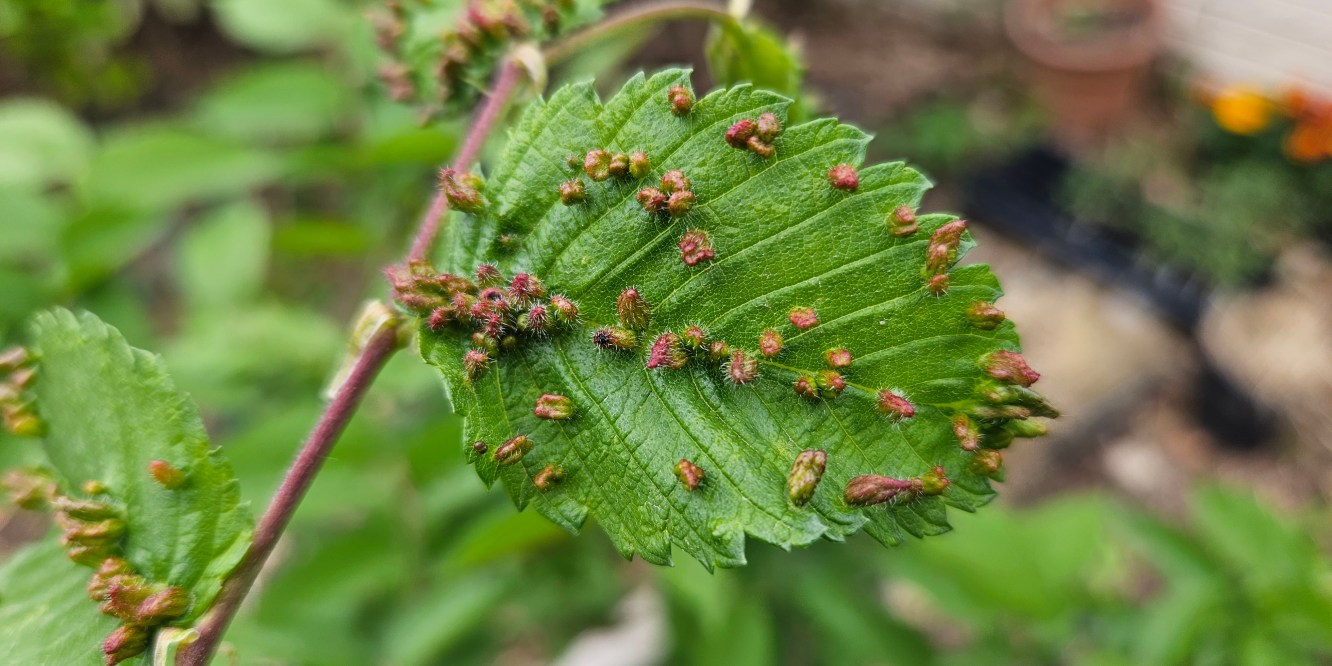
It is often in late spring and early summer that many local gardeners and homeowners are working out in the yard and begin noticing some very strange looking ‘bumps’ on the leaves or twigs of their beloved shade tree. These bumps vary in size and shape, and often lead homeowners to wonder what might be wrong and if anything should be done.
Galls
These ‘bumps’ on leaves and twigs are various forms of galls, and many types of trees can be a host for gall making insects. There are actually hundreds of different types of galls, each of which is caused by a specific insect. Insects that can cause different galls include tiny, non-stinging wasps and flies which cause abnormal growths to develop on the leaves, twigs or branches of different trees. There are even some mites that can cause galls. These galls can include growths that are round, spiny, flattened, elongated or star-shaped.
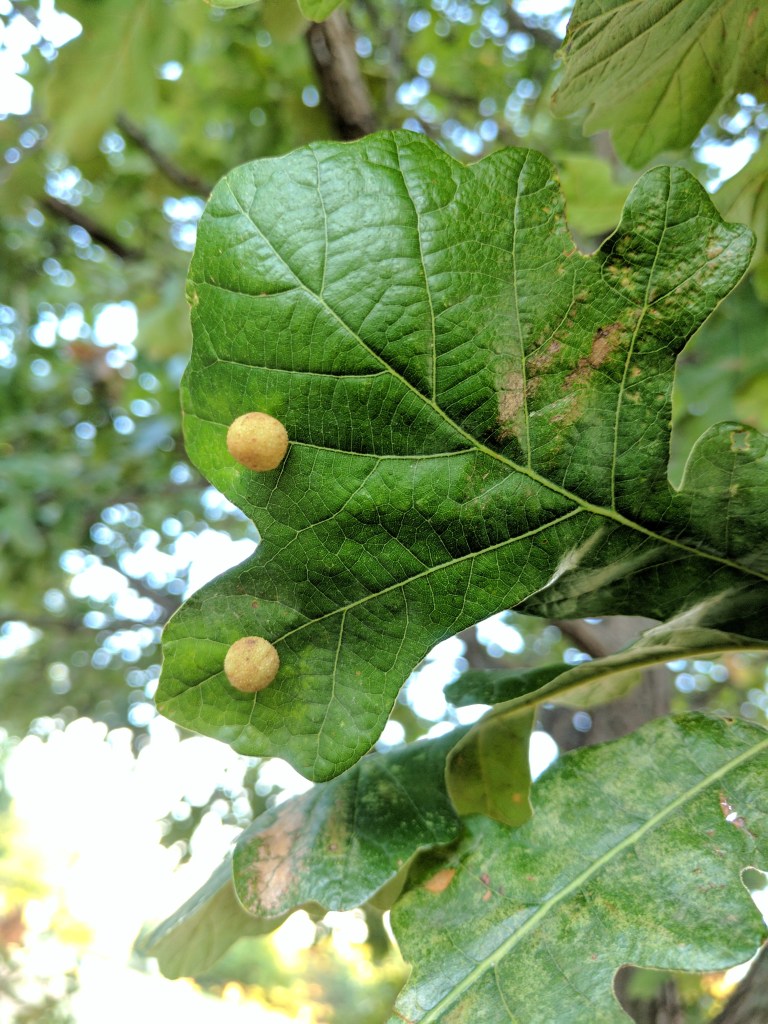
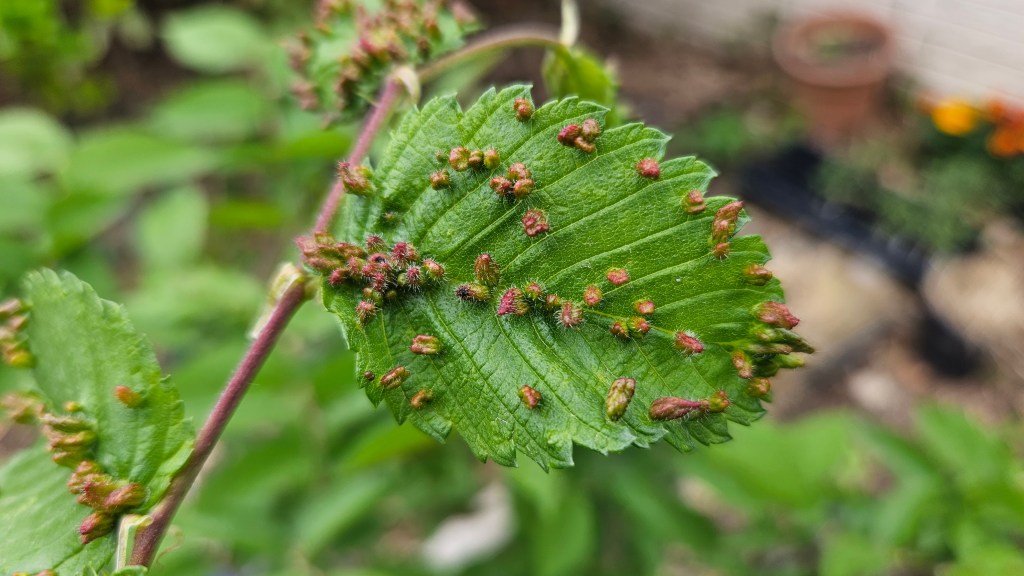
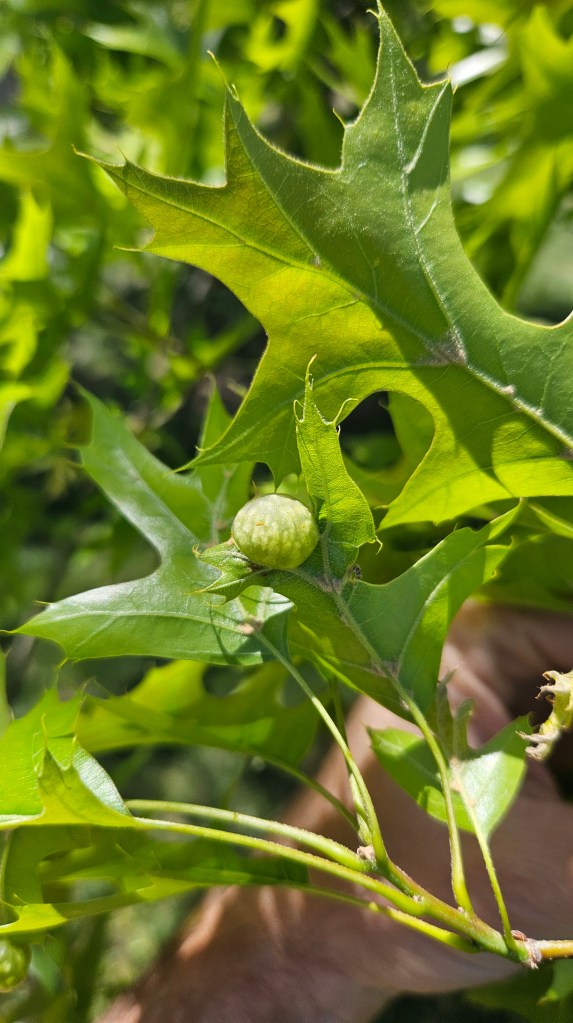
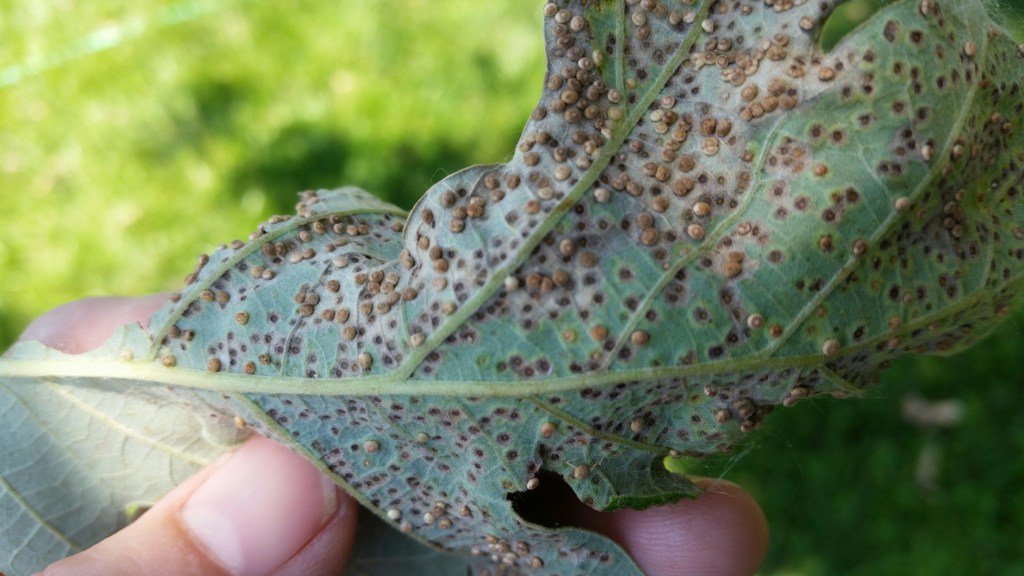
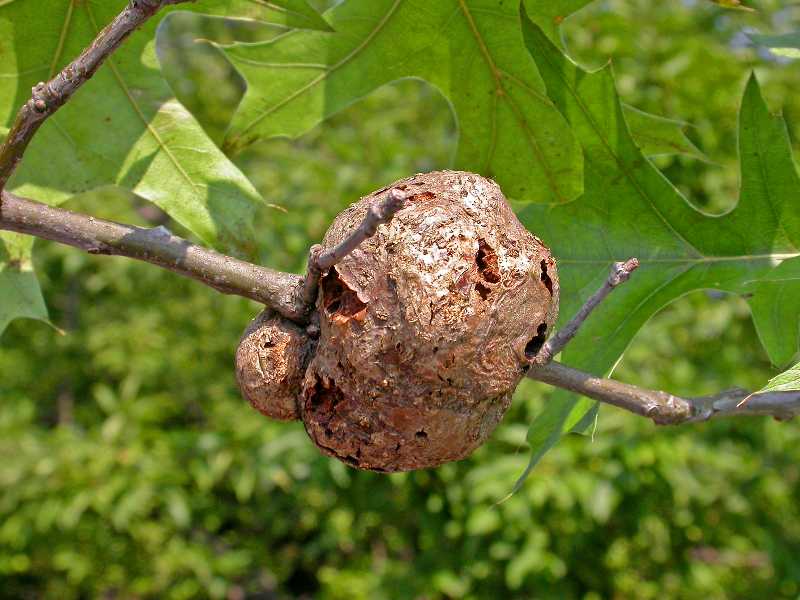
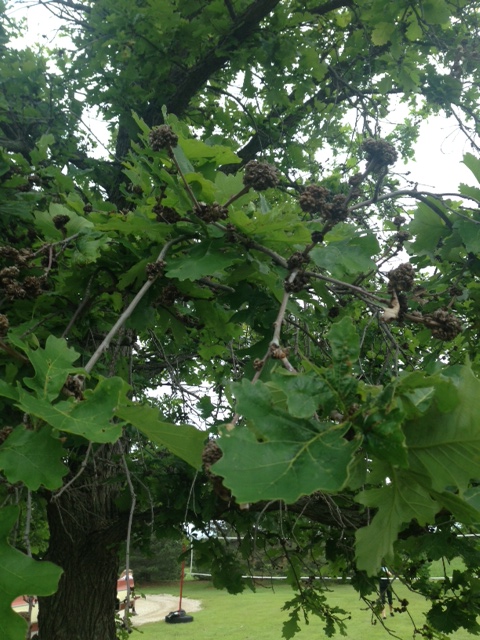
Galls form in response to a chemical that the insect or mite injects into the plant tissue. Eggs laid by a mature female hatch into legless grubs around which the gall forms. The larvae feed, develop, and pupate inside these galls. The adults may emerge either the same season or may overwinter inside the gall depending on the life history of that specific insect.
What to expect
Generally, these gall making insects do not cause significant damage to their tree hosts, though some of the leaf galls can cause enough deformity to make a tree unsightly. Also, severe infestations of twig galls can cause twig dieback or, very rarely, tree death. However, just because a twig is covered with galls does not mean it is dead. In many cases trees can be covered with what looks like a solid mass of galls and still leaf out and grow normally.
What to do
Insecticide sprays applied when galls are noticed are ineffective because the gall has already formed. Also, larvae are unaffected because of the protection afforded by the gall. Insecticide sprays can kill emerging adult wasps and flies, but long emergence periods and short residuals of most contact insecticides make this impractical. Stem and twig galls can be pruned out if this is deemed to be practical and necessary.
Fortunately, natural predators and parasites usually bring these insects under control given a year or two. Therefore, the best option is usually to do nothing. This fascinating relationship between gall making insects and their tree hosts is natural and quite interesting to observe.
Continue to maintain the tree’s health with proper watering, fertilization, pruning as needed, and mulching.
 Central Kansas Lawn & Garden Blog