
Perennials of all types burst back to life in the spring and now is a good time to give some thought and care to the perennials in your landscape. Jobs that may be required are clean-up and division of old plants, fertilization, checking soil moisture, and mulching.

Clean-up and division
As perennials start their growth it is a good idea to clean up and cut out old dead stems and leaves from last year to allow light to the plant crown and to help the soil warm if needed. Keep in mind that many native bees utilize plants with hollow or pithy stems for nesting and it helps to preserve some stems of plants such as elderberry, coneflowers, sunflowers, milkweed, asters and many more in the landscape to provide habitat. The illustration below gives an example of how this can be accomplished.

Spring also provides an opportunity to dig and divide many perennial plants. Ornamental grasses are a good example of plants to divide in the spring. Ornamental grasses that have died in the center are good candidates for division. Dividing not only rejuvenates old plants, but increases the number of plants at your disposal to use in the landscape. Successful division is dependent on gentle handling, careful planting, and attentive watering.
The general rule of thumb is to divide summer and fall flowering plants in the spring. Any perennials that flower in the spring are best left to be divided in fall.
Work quickly and avoid hot, sunny conditions. A few days before dividing an overgrown perennial, water it thoroughly. Dig the entire clump. Loosen the ground all around the clump and then attempt to lift it. If you hear squeaking and snapping sounds (roots breaking off) then stop and loosen again. Lift the clump onto a newspaper or tarp. Either cut or tease the roots apart.
Plant the new divisions in prepared soil and mulch them well to reduce water and temperature fluctuations. Water thoroughly and keep the soil slightly moist for good root growth.
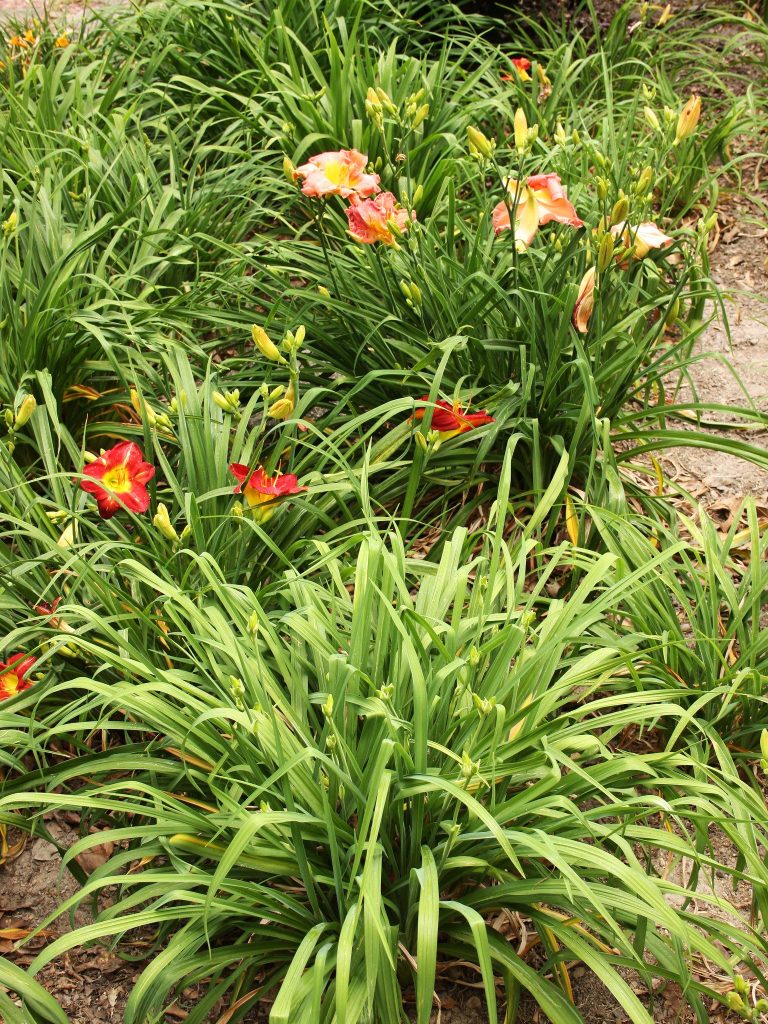
Example of dividing a daylily


Fertilization
Spring (as or just after plants emerge) is a popular time to fertilize perennials although they can also be fertilized in the fall right after they go dormant and the soil is still warm. Be careful not to over-fertilize perennials as many of them do quite well without much additional aid. If plants are already growing large and filling up their space nicely, than it is unlikely they need much fertilizer. Too much fertilizer can cause healthy perennial plants to grow too much succulent growth which is much more susceptible to environmental stress and diseases. Any struggling plants that are underperforming should benefit from a dose of nitrogen fertilizer carefully spread around the plant root-zone and watered in. Make sure to follow label directions and use a fertilizer with primarily nitrogen (1st number on the bag) and little to no phosphorus and potassium (2nd and 3rd numbers on the bag).
Water and mulch
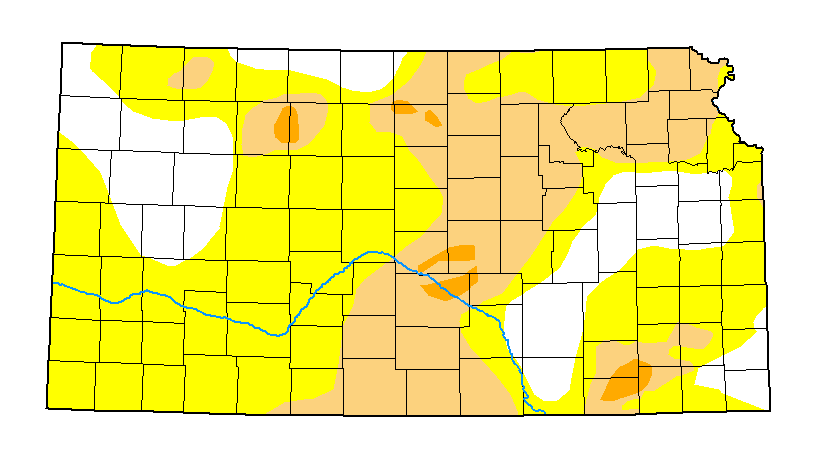
So far the spring of 2024 has been very dry here in Central Kansas which means many perennials and even hardy plants like trees and shrubs need to be monitored now for soil moisture. Check the moisture level of the soil by probing into it with a long screwdriver or similar device. If the screwdriver is difficult to push into the soil it is likely that water/irrigation is needed.
After watering (if watering is necessary) refresh or add new mulch around perennials, shrubs, and trees to help moderate soil temperatures, reduce weed pressure, and reduce moisture losses from the soil.

 Central Kansas Lawn & Garden Blog