
The spring migration of the monarch butterfly has already begun and these butterflies will reach Kansas in the upcoming weeks. Many local gardeners are very interested in supporting monarch butterflies by planting milkweed.
Milkweed and monarchs truly have a unique and fascinating relationship. Milkweed is toxic to other insects due to the network of pressurized latex canals in the leaves that contain a lethal brew of poisonous cardenolides. But monarch caterpillars have learned to cut milkweed leaf veins to neuter these chemical defenses. The caterpillar will cut the mid-vein on the leaf before feeding to prevent the latex from leaking out. In addition, caterpillars also have the ability to sequester or store up these cardenolides for their own defense. The specific coloring of both caterpillar and butterflies indicate to other predators that they are toxic to consume.

It is estimated that an additional 1.8 billion stems of milkweed are needed to conserve our monarch butterflies and new research has helped us hone in on the best milkweed varieties to plant.
Which milkweeds recruit and support monarchs?
Recent research from the University of Kentucky tested eight types of milkweed and found that all eight were suitable for monarchs and supported similar larval growth.
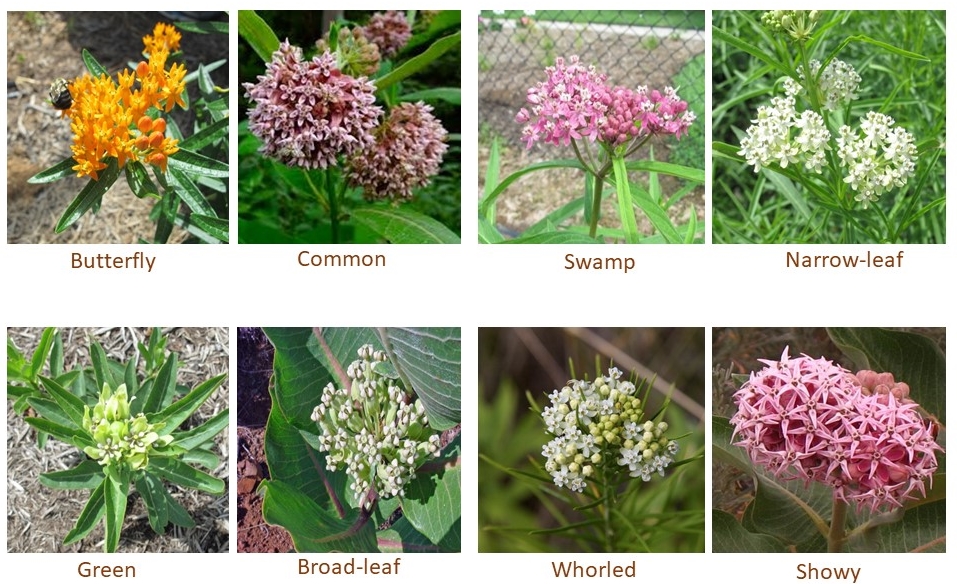
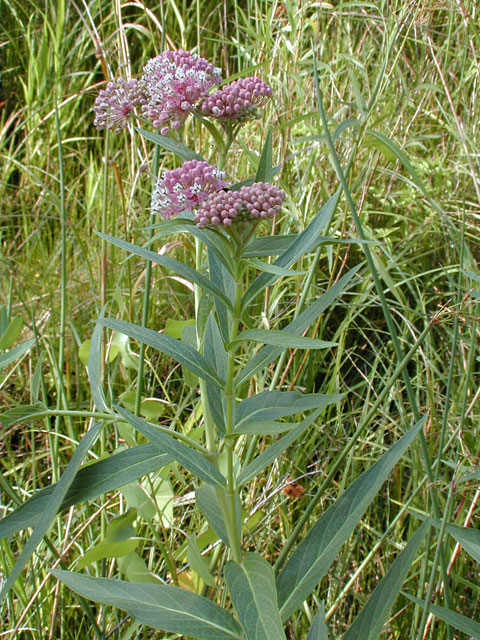
The most attractive milkweed to egg-laying monarchs were three relatively tall varieties of milkweed that have broad leaves. These were swamp milkweed, common milkweed, and showy milkweed. Tall varieties of milkweed are more easily located and utilized by the butterflies and the broad leaves provide plenty of egg laying space.
In general the size and type of a butterfly garden will dictate which milkweed varieties are best to use.
Large gardens with open space
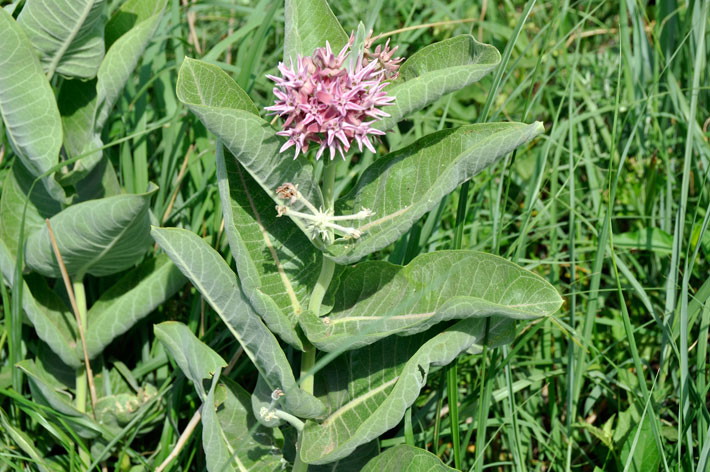
For gardens with plenty of space in here in Central Kansas, the best milkweeds to plant are common milkweed or showy milkweed. Monarchs use visual cues such as leaf shape to locate milkweed and these taller varieties with broad leaves are easier for the butterflies to find as they migrate. Both can spread by rhizomes and will form colonies over time.


Small gardens
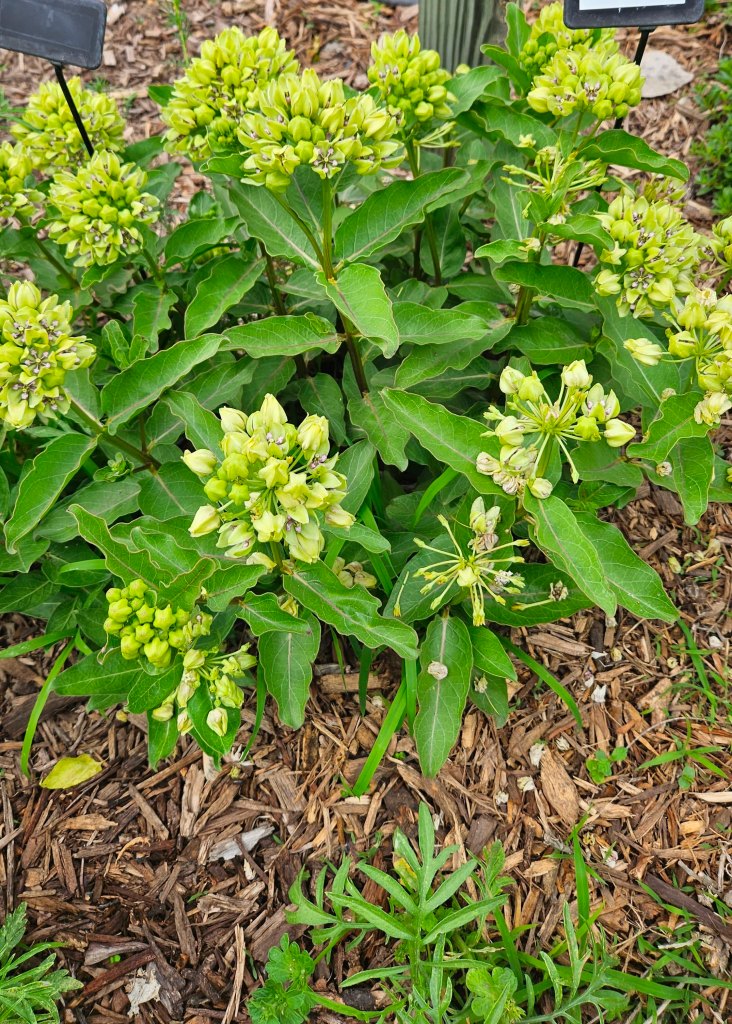
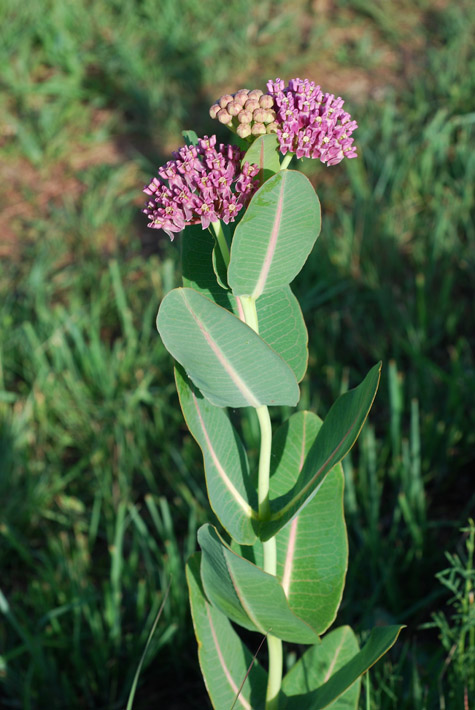
The best milkweeds for smaller gardens include: butterfly weed, green milkweed, prairie (Sullivant’s) milkweed, and swamp milkweed. These varieties tend to be better at staying where they are planted rather than spreading aggressively.

Avoid tropical milkweed
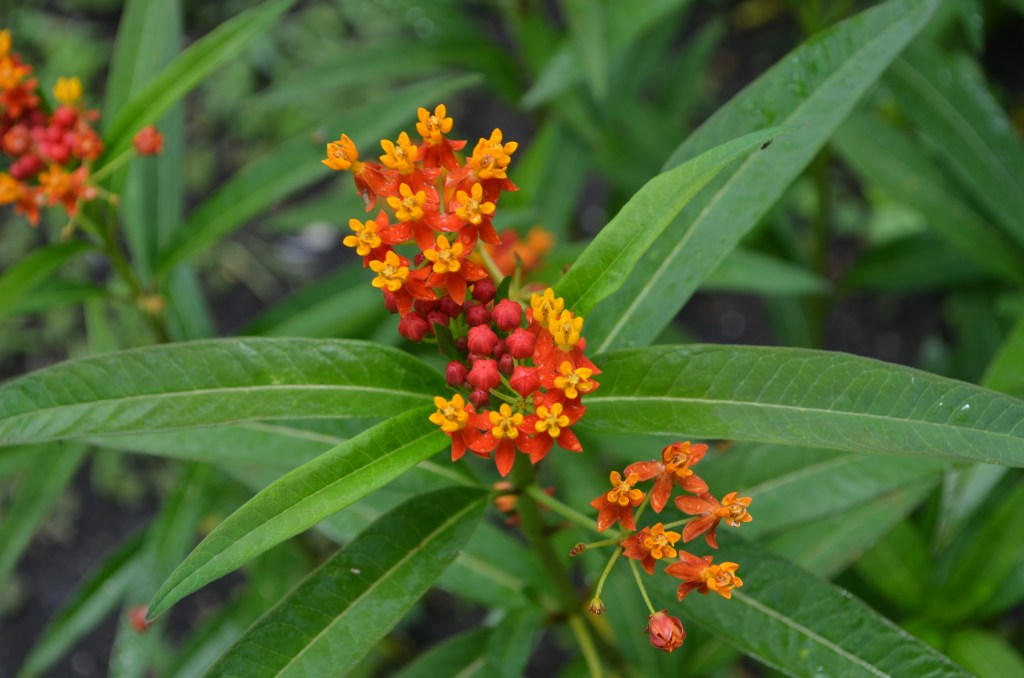
Tropical milkweed (Asclepias curassavica) is a beautiful plant and easy to grow, but it is a problem in temperate regions where it does not die back as soon as other milkweed varieties. Milkweed dieback is a signal that monarchs use to migrate to overwintering grounds. Monarchs may be fooled into continuing to use this milkweed and may fail to migrate at the appropriate time. While not completely understood, tropical milkweed is also linked to monarchs abandoning their normal fall migration to Mexico. When a cold snap occurs, the monarch adults, eggs, and larvae remaining on tropical milkweed will not survive and this was directly observed by scientists in Oklahoma in 2019.
Use multiple milkweed species when possible
There is evidence, at least from field cage trials that monarchs may lay more total eggs when several milkweed species are available than when they are restricted to a single species. Planting several species of milkweed, including taller and shorter varieties is a good idea when developing monarch butterfly habitat.
Other great nectar and or host plants to include in butterfly gardens in Kansas
Newer varieties and hybrids tend to have reduced nectar supplies as they are often selected by plant breeders for other features. When possible choose standard varieties that are tried and true.
| Perennials | Bloom Color | Bloom Time | Size |
| Aster (Aster) | Pink, blue, purple | Late summer – fall | 12 – 36” |
| Bee balm (Monarda) | Pink, red | Early summer | 24 – 36” |
| Black-eyed Susan (Rudbeckia) | Yellow | Mid – late summer | 18 – 36” |
| Blazing star/gayfeather (Liatris) | Purple | Mid- summer | 24 – 36” |
| Catmint (Nepeta) | Blue, pink | Summer | 1 – 3’ |
| Coneflower (Echinacea purpurea) | Purple, white | Mid- summer | 24 – 36” |
| Coreopsis (Coreopsis) | Yellow | Early summer | 12 – 24” |
| Goldenrod (Solidago) | Yellow | Late summer – fall | 18 – 36” |
| Joe Pye weed (Eupatorium) | Pink, purple | Late summer – fall | 3 – 6’ |
| Milkweed (Asclepias) | Orange, yellow, red, pink | Summer – fall | 24 – 48” |
| Phlox (Phlox paniculata) | Pink, purple, white | Mid- summer | 24 – 36” |
| Pincushion flower (Scabiosa) | Pink, blue | Summer | 12 – 18” |
| Sedum, tall varieties (Sedum) | Red, pink | Late summer – fall | 18 – 24” |
| Sunflower | Yellow | mid-late summer | varies |
| Yarrow (Achillea) | Yellow, red, pink, white | Summer | 12 – 24 |
| Annuals | Color | Size |
| Globe amaranth (Gomphrena) | Purple, pink, red, white | 10 – 18” |
| Heliotrope (Heliotropum arborescens) | Purple, blue | 12 – 18” |
| Verbena (Verbena. bonariensis) | Purple | 24” |
| Pentas (Pentas lanceolata) | Purple, pink, red, white | 18 – 24” |
| Cosmos (Cosmos bipinnatus) | Pink, white | 24 – 36” |
| French marigold (Tagetes patula) | Yellow, orange, white | 10 – 24” |
| Lantana (Lantana camara) | Yellow, orange, white, pink | Sprawling 24 – 36” |
| Cosmos (Cosmos sulphurus) | Yellow, orange | 24” |
| Zinnia (Zinnia elegans) | Multicolored | 12-24′” |
| Shrubs | Bloom | Bloom time | Size |
| Lilac (Syringa) | Purple, blue, pink | Spring | 4 – 12’ |
| Mock orange (Philadelphus) | White | Spring | 4 – 6’ |
| Butterfly bush (Buddleia) | Purple, pink, red, white | Summer – fall | 4 – 6’ |
| Blue mist spirea (Caryopteris) | Blue or purple | Late summer – fall | 2 – 3’ |
| Buttonbush | white | Summer | 6-12′ |
| Spirea (Spirea) | White, red, pink | Spring – summer | 2 – 6’ |
| Herbs | Bloom | Bloom time | Size |
| Chives (Allium schoenoprasum) | White, lavender | Spring – summer | 12 – 18” |
| Dill (Anethum graveolens) | White | Summer | 2 – 3’ |
| Lavender (Lavandula) | Blue, lavender | Summer | 1 – 2’ |
| Marjoram (Origanum majorana) | White, pink | Summer | 8 – 18” |
| Oregano (Origanum vulgare) | Pink, white | Summer | 18” |
| Sage (Salvia) | Pink, red | Summer | 18 – 24” |
| Thyme (Thymus) | Pink | Summer | 2 – 12” |
| Fennel (Foeniculum dulce) | Yellow | Summer | 2 – 4’ |
 Central Kansas Lawn & Garden Blog