

As interest in pollinators and wildlife continues to grow, many homeowners have an interest in establishing and growing a small area of native wildflowers and grasses. Native plants have a long history in a particular place and have established strong interactive relationships with the surrounding ecosystem. Native plants are uniquely able to increase biodiversity (life) where they are planted since they grow the insects needed to support the food web. That food web includes wildlife such as song birds, which gardeners love to attract into their landscapes.
Starting wildflowers from seed
When it comes to native plants, it is better to choose a blend of grasses and wildflowers rather than just a single species. A few examples of companies that provide regional blends appropriate for our area include: Sharp Brothers (Healy, KS), Stock Seed (Murdock, NE) and Feyh Farm Seed (Alma, KS).
Wildflowers do not take root and grow well in areas that already have established plants growing. Existing vegetation should be killed or removed before seeding native wildflowers or grasses. Tilling is one way to prepare the soil. Solarization of the soil is another way that the site can be prepared. Control of existing vegetation can also be done with the herbicide glyphosate several weeks before planting (especially to eradicate bermudagrass or bindweed). Read our our in-depth guide to establishing native plants for much more detailed information.
The finished seedbed should be as weed free as possible and firm enough so that a boot heel sinks in no more than ½ inch. It may be necessary to use a roller or to drive a riding lawn mower over the area to firm the soil before spreading seed. The goal with native wildflower seed is good seed/soil contact and to avoid planting the seeds too deep.
Seed should be spread evenly over the prepared area. If needed, you can mix wildflower seed with damp sand (4:1 sand/seed) for more uniform coverage with a drop seeder or whirlybird spreader over the area to be planted. The seed should be raked in about 1/4″ deep or you can use a roller to press it into the top of the soil. Do not mulch over native wildflower and grass seeds. Keep seed moist while the seed is germinating (3 to 4 times per week, if possible). Slowly back off watering as plants develop.
When to plant
What about planting dates? It is possible to plant native seeds in the fall, winter, or spring but each timeframe has it’s own advantages and disadvantages.
Many native seeds require a cold, moist, dormant period for germination. Most seeds will germinate after 30 days of stratification although some need up to 90 days. Planting in November through January ensures that most species in a seed mix experience a long enough stratification period. Dormant seeding is a common seeding practice in prairie restorations, and it is exactly what the name implies – seeding while the prairie is dormant. Dormant seeding generally occurs late fall through early spring, but December thru February are the ideal times. Seeding during the winter helps stratify the seed, and the cycle of freeze and thaw will help incorporate the seed into the soil. Home gardeners can also winter sow seeds in milk jugs to start many native seeds they wish to transplant into a landscape bed.
Spring seeding is also possible, depending on your goals and the types of seed you plant. If you choose to seed in the spring, seeding should occur one month before the average last frost date to three weeks after the last average frost date. Warm-season grasses and most prairie flowers should be spring seeded between April 1 and May 15 in Central Kansas. Make sure the soil temperature is 60 degrees before planting. Soil thermometers are often available in garden centers, hardware stores and auto stores (they are used to test air temperatures from air conditioners as well as soil temperatures in gardens). You can also check soil temperatures on the KSU Mesonet.
Winter vs spring seeding
Fall seeding (late August through October): The main advantage of planting in the fall is it allows the seed plenty of time to stratify. But, planting seed too early won’t significantly assist in that process. Planting your seeds too early will likely result in a larger loss of seed to bird and animal predation. This is why we generally recommend seeding native wildflower seeds from December – January.
Winter seeding (November through January): Planting forb (flower) seeds in winter (November through January) will allow seeds to stratify, increasing the chance of germination in spring. Seeding in winter will not require watering. Grass seed germination will generally be lower with winter seeding and seed predation by animals might be higher than seed planted in the spring.
Spring seeding (February through May): Seed germination will be higher for warm-season grasses and lower for forbs (flowers) as compared to a winter seeding. Plant seeds when soil temperatures are around 60 degrees.
Weeding
Hand weeding after planting can help control any weeds you can identify but this must be done with great care to avoid uprooting small prairie flowers. Mowing as high as possible before the native plants get too high is another way to help control fast growing weeds while preserving most of the foliage on the prairie flowers.
Native plants for sale in April
For those who have a small area, it is also possible to purchase native plants as transplants and bypass the seed starting. The Dyck Arboretum in nearby Hesston, KS has a native plant sale each spring which offers a wonderful variety of native wildflowers and grasses to plant. The sale this year is April 26th to 29th. Visit http://dyckarboretum.org/ to get all the details.
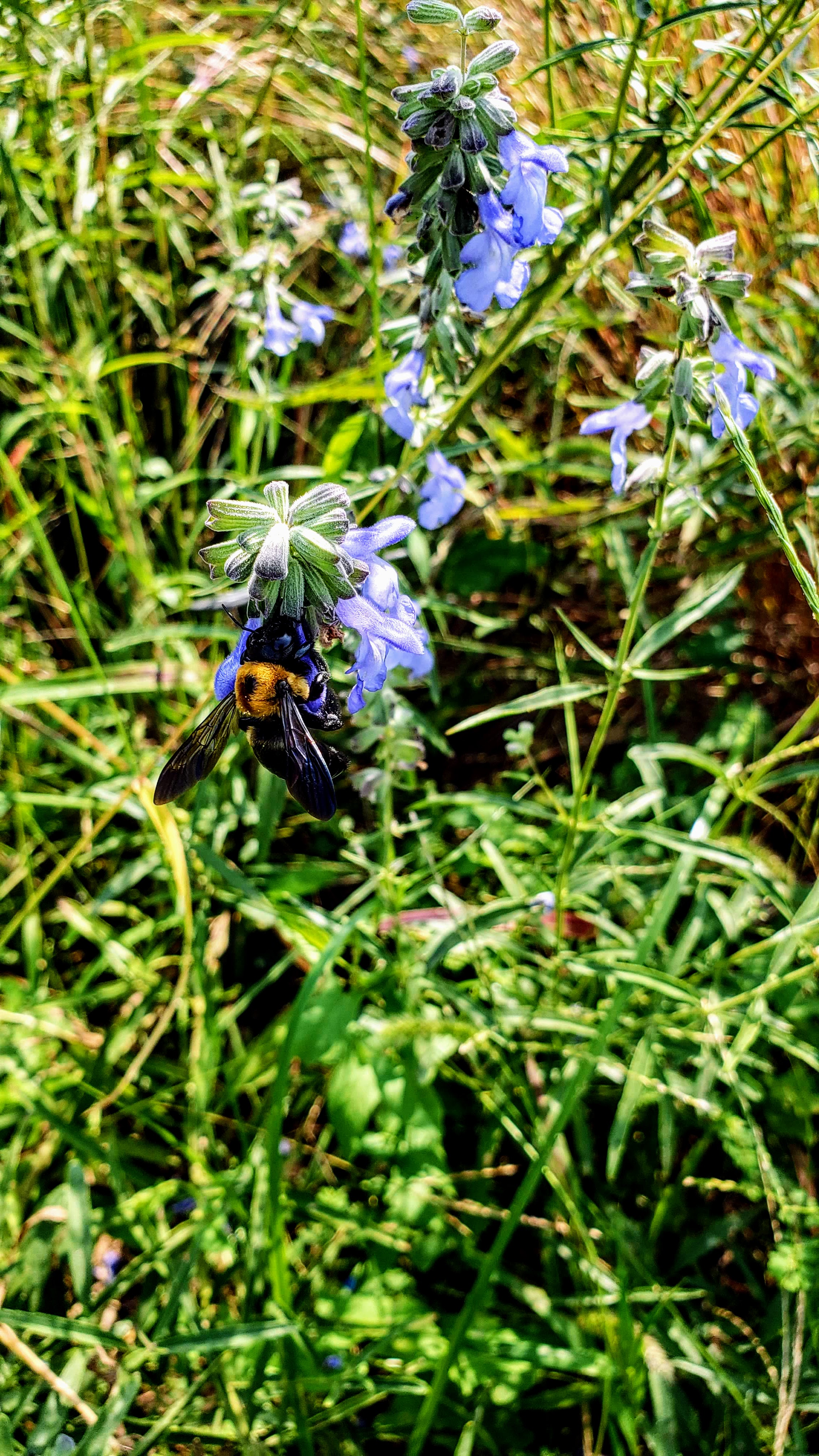
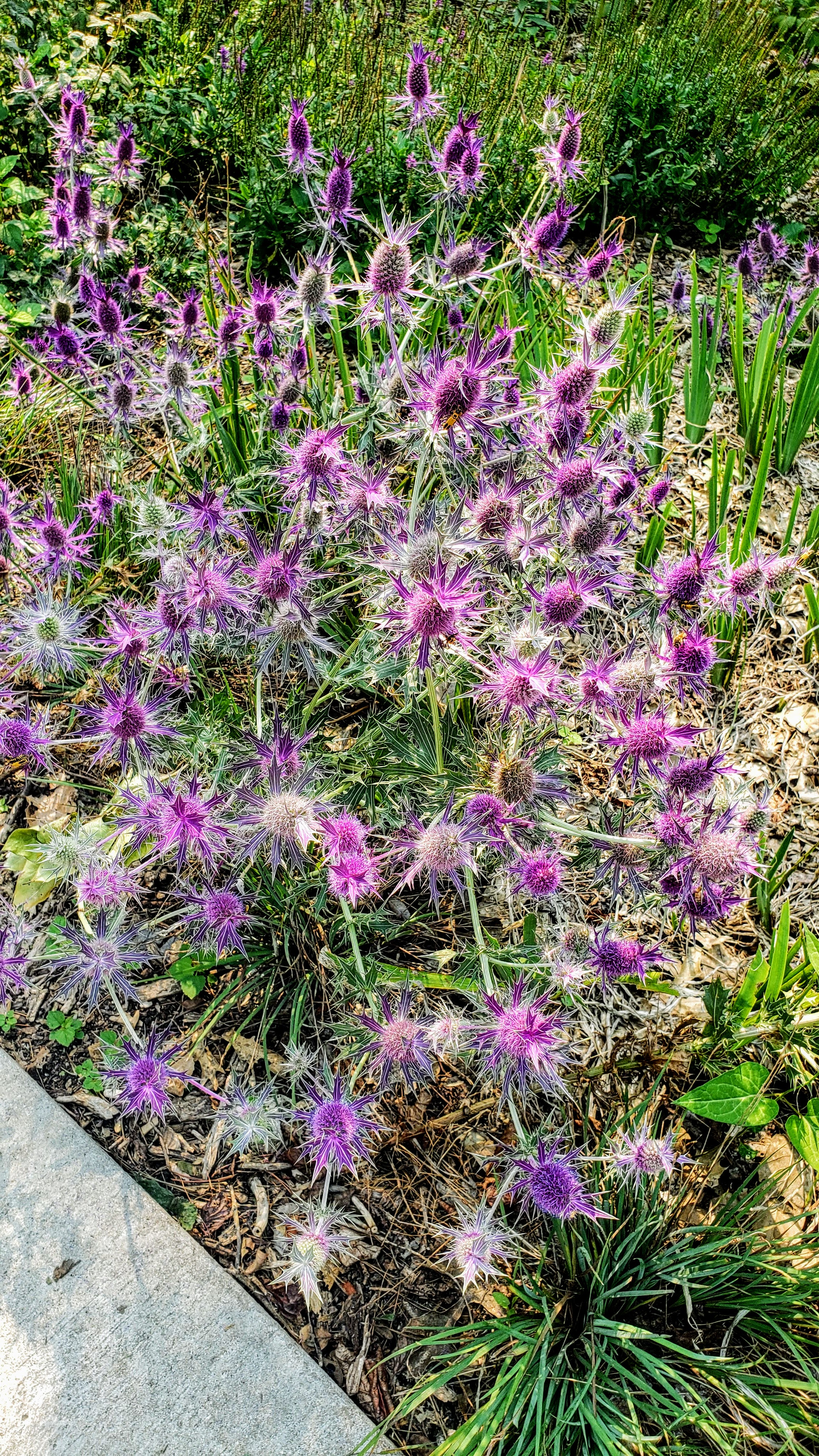
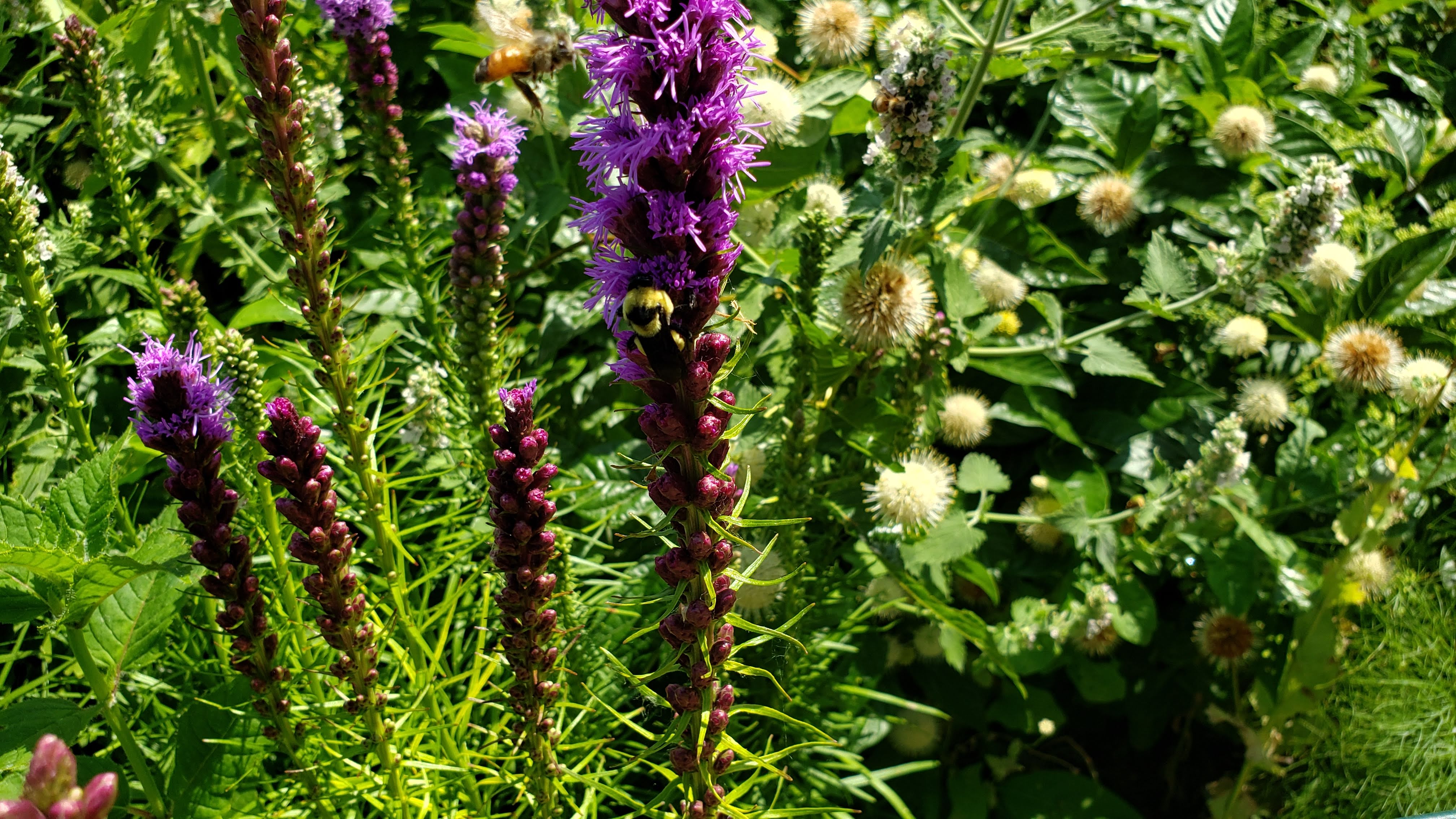
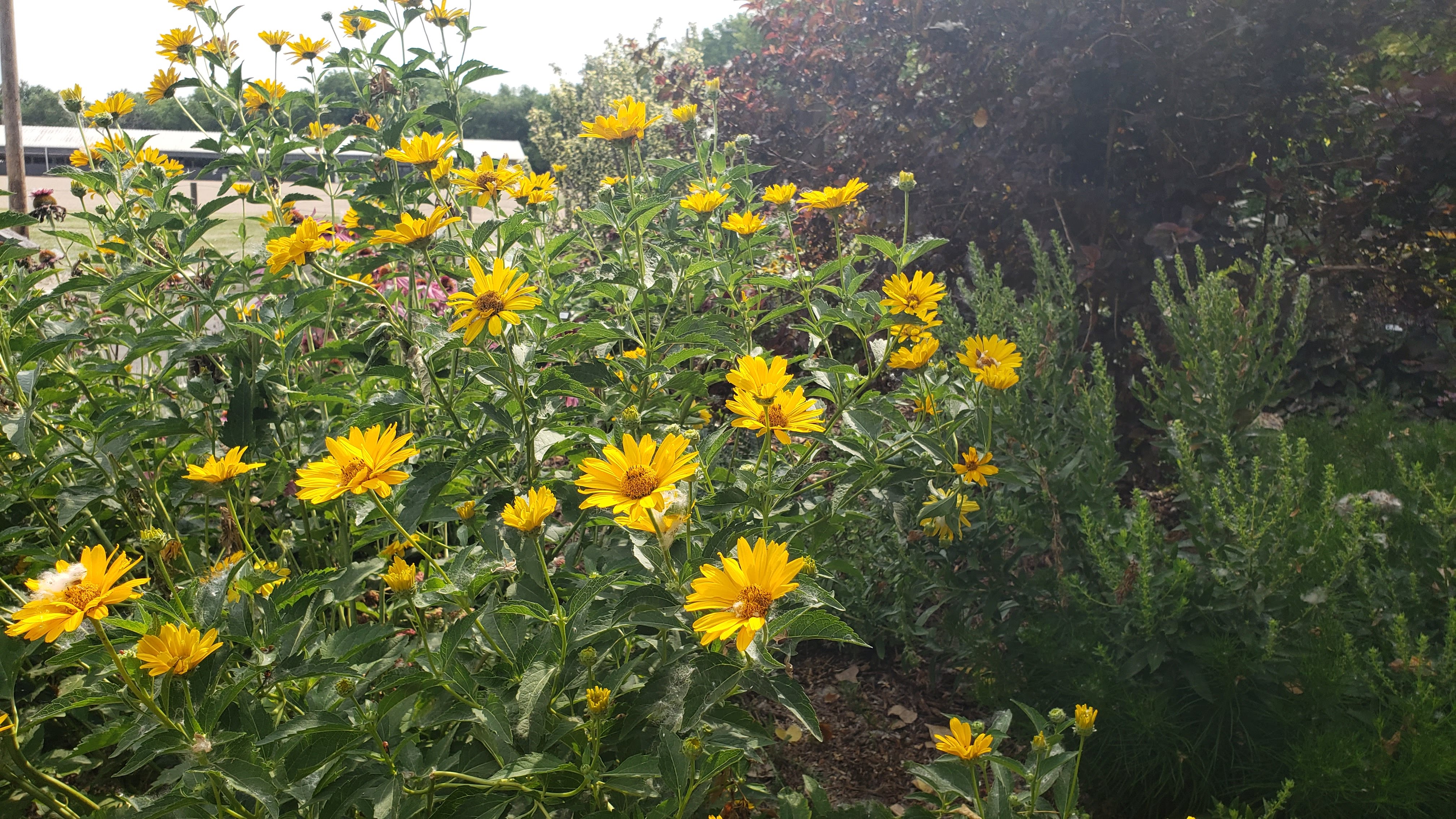
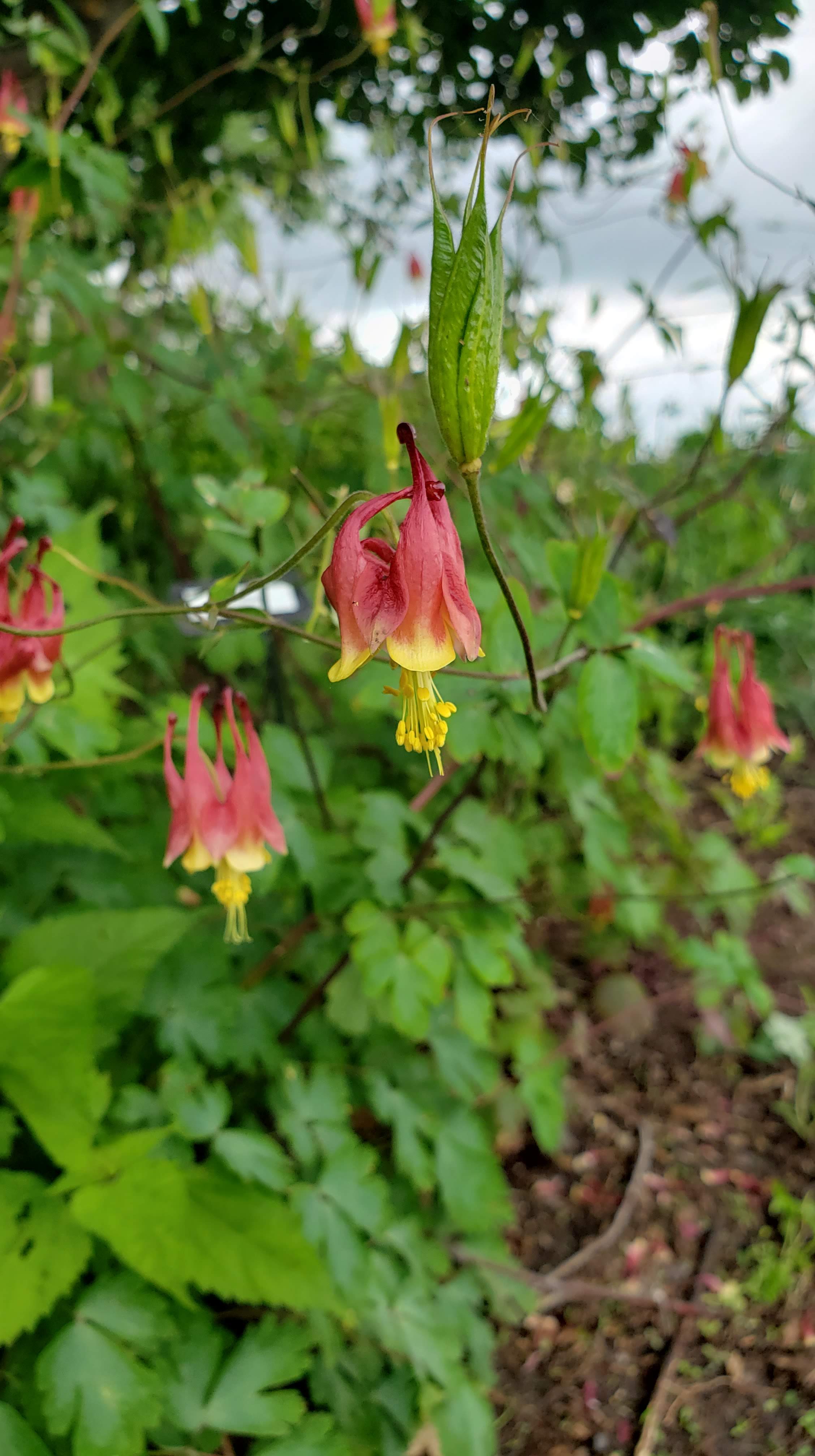
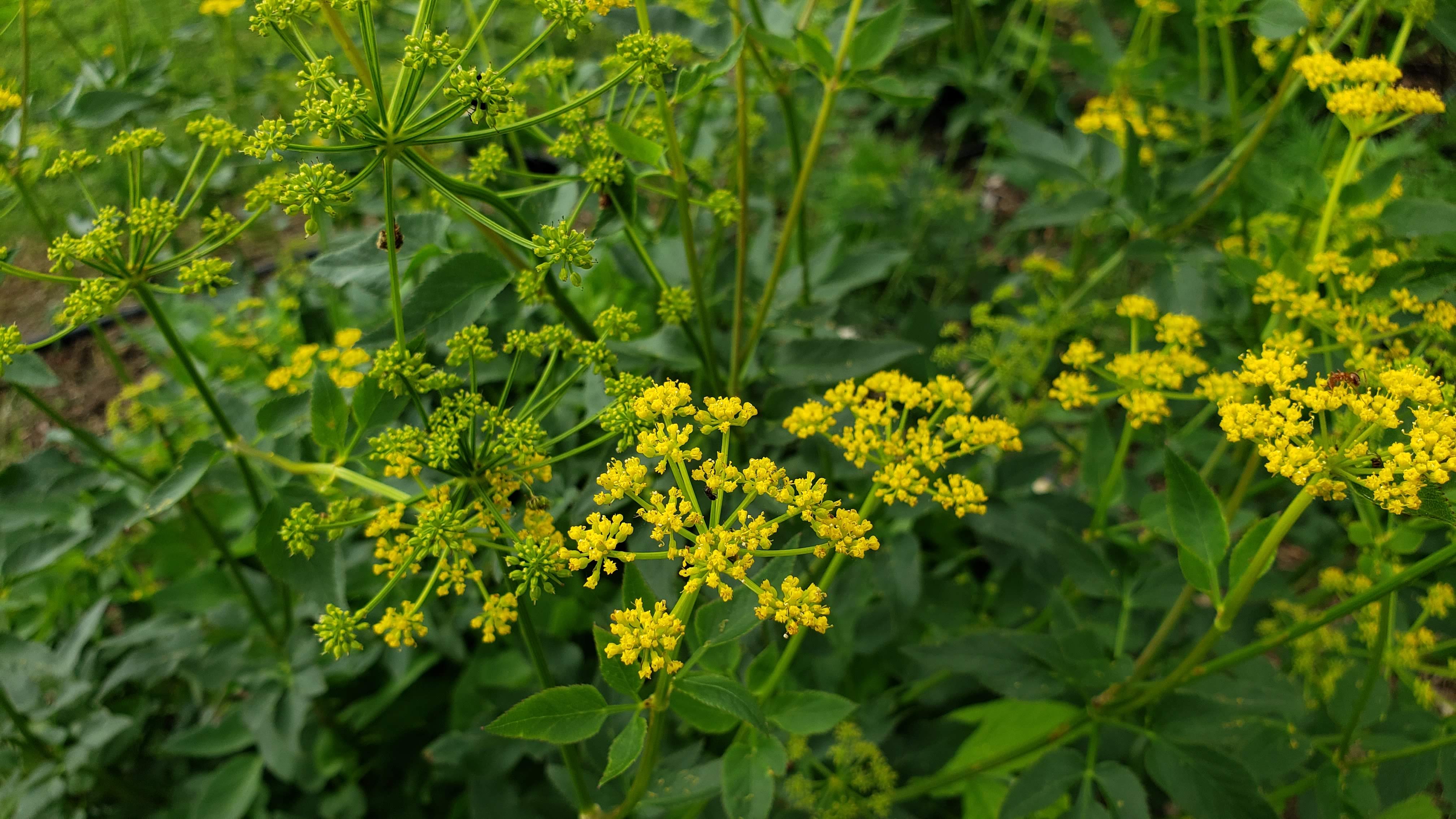
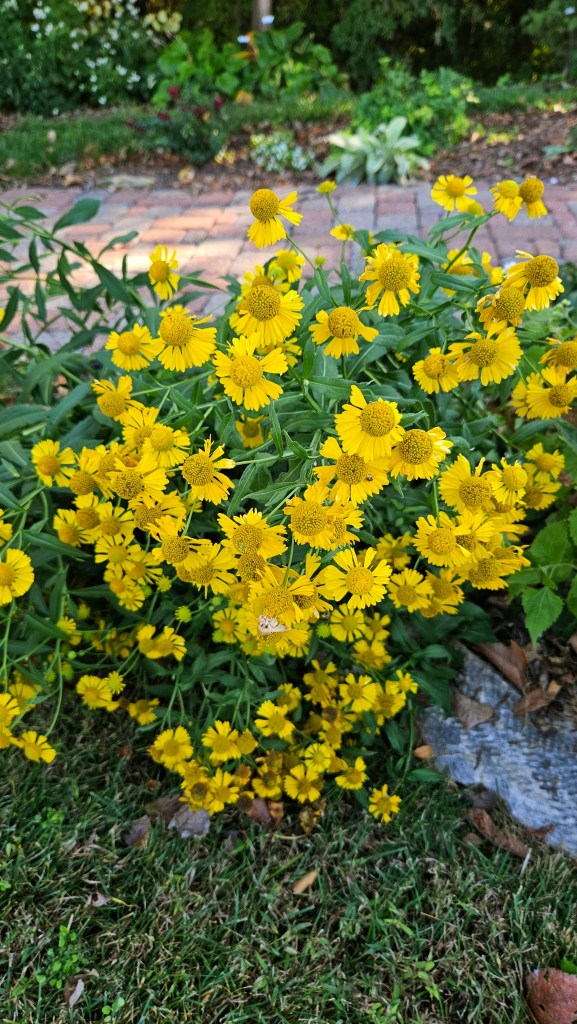
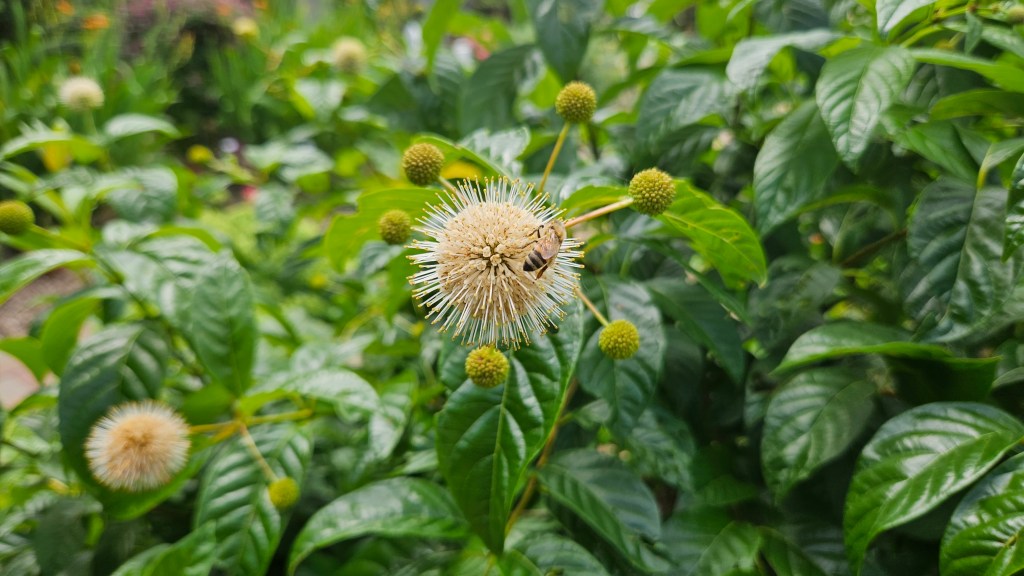
Here are just a few pictures that highlight the beauty of Kansas native plants







 Central Kansas Lawn & Garden Blog