
When a heat wave hits plants will be impacted. The recent stretch of hot weather here in Central Kansas has definitely been a source of stress in local gardens and landscapes. What are the signs of heat stress and what can we do to minimize the impacts of heat on our plants?
Temperatures and plants
Most plants grow best in temperatures ranging from 60 degrees to 90 degrees. When temperatures go above 90 degrees for long periods of time, plant growth is slowed and some plants may begin to show stress. When temperatures go above 103-104 degrees many plants will show different signs of heat stress. The signs will depend on the plant type, maturity, and factors such as drought or wind.
High temperatures decrease the rate of photosynthesis in plants. Photosynthesis is the process by which the plant uses the sun’s energy to create carbohydrates as food. In contrast, high temperatures increase the rate of respiration in plants. Respiration is the process by which plants use carbohydrates to grow. Thus, excessive heat over an extended period of time can deplete food reserves in plants and lead to the decline or even death of a plant.
High temperatures can also cause excessive water loss (dessication) when transpiration exceeds the moisture absorption by the plant roots. Evaporation of water from the soil or drought conditions can further reduce the amount of water available which causes the leaf temperature to increase and can lead to leaf scorching and shedding.
Signs of heat stress
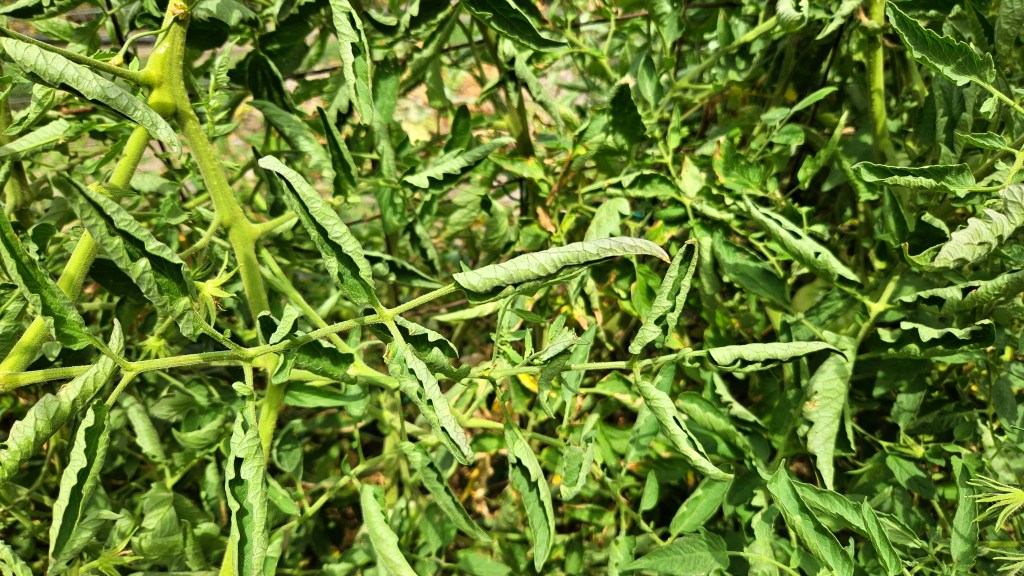
Leaf rolling and cupping is one common sign of heat stress. Tomatoes and corn are examples of plants that roll their leaves or cup in response to heat. This minimizes leaf surface area and when combined with the closing of leaf stomata allows the leaf to minimize moisture loss. But this often comes with the consequence of a higher leaf temperature and the possibility of scorching.
Wilting is another sign of heat stress. Wilting occurs when low moisture creates a lack of water pressure in the plant. Many plants will recover when temperatures drop, but the potential for permanent damage increases with the length of time that a plant remains wilted. Plants often wilt during the hottest part of the day and recover in the evening or early morning if adequate moisture is available. It is best to minimize the amount of time a plant is wilted with proper watering.
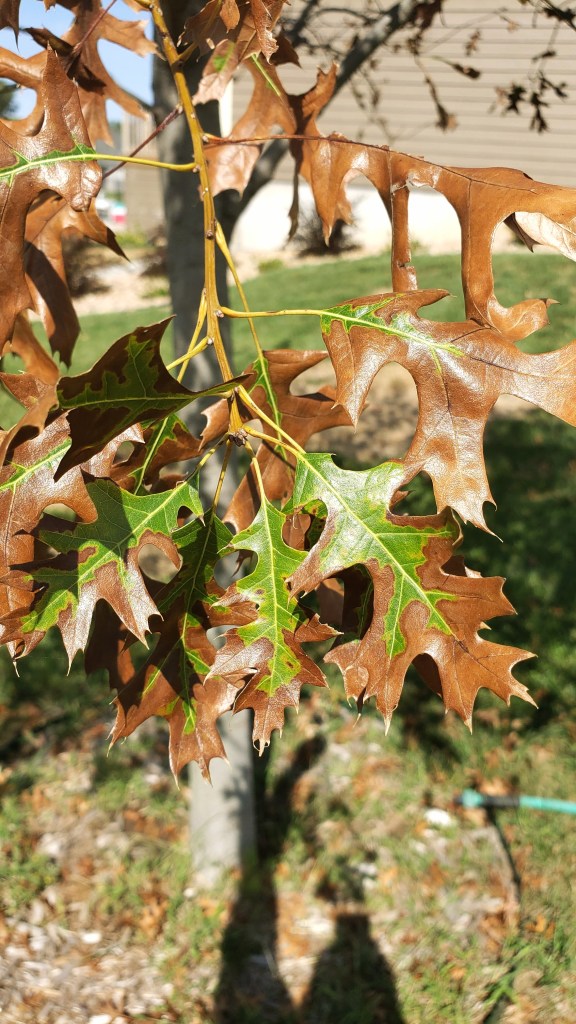
Scorching of the leaves is a sign of heat stress where the outer margins of the leaf will burn or dry up but the interior of the leaf still remains viable. This is another way the plant may reduce leaf area and loss of water.
Leaf shedding may be seen on trees during a heat wave. Trees will often set more leaves in the spring than they can support during the summer. Heat and drought stress will cause the tree to lose leaves that it cannot support with the available soil moisture. Leaves that drop due to excessive heat are most often yellow with no discernible disease spots.
Sunscald is a common sign of heat stress that occurs on fruit or vegetables. Fruit that is exposed to the sun will scald which can degrade its quality.

Blossom or fruit drop may also occur in plants such as peppers, squash, cucumbers in response to heat. This allows the plant to conserve resources until the heat wave is over.
Tips for a heat wave
Watering
Proper timing of watering is critical during an extended heat wave. There is not a one size fits all approach to watering. Each plant and garden will have unique needs. Here are some watering tips:
- Check soil moisture regularly. Use your finger or a probe such as a long screwdriver. Get into the habit of measuring water depth and soil dryness on a regular basis. Let the soil dry out partially between watering to allow oxygen to re-enter the soil. Clay soils are slower to absorb & release water. You may need to use several on-off cycles to thoroughly moisten clay soil to the correct depth. You can water clay soil relatively infrequently. Sandy soils allow water to run through quickly but will dry out rapidly. Loamy soils are somewhere in between.
- Water in the morning. Less water is lost to evaporation in the morning, and it allows plants to fully hydrate before the heat of the day sets in. Watering in the morning also reduces the length of time leaves stay wet. Wet leaves are an invitation and trigger for fungal diseases in the summer heat.
- Apply water efficiently. Use an application rate that permits water to soak in rather than run off from the garden area. Drip irrigation systems or soaker hoses can be a nice way to provide water efficiently. Whatever watering method you use, check the moisture content of the soil several hours after you irrigate to determine how effective your efforts were. The goal is to moisten the entire root zone of your plants.
- Plants in containers and hanging baskets may need water up to twice a day, especially when windy and hot. Containers dry out very quickly. If practical, move containers where they get shade or provide shade cloth or other means of temporary shade such as a picnic umbrella to reduce heat stress injury.
- Pay close attention to young or recently planted plants. Check new and young plants frequently and water both the original root ball and the surrounding soil if either is dry. Plants planted within the last three years still may not have extensive root systems and may need extra water during a heat wave.
Use mulch
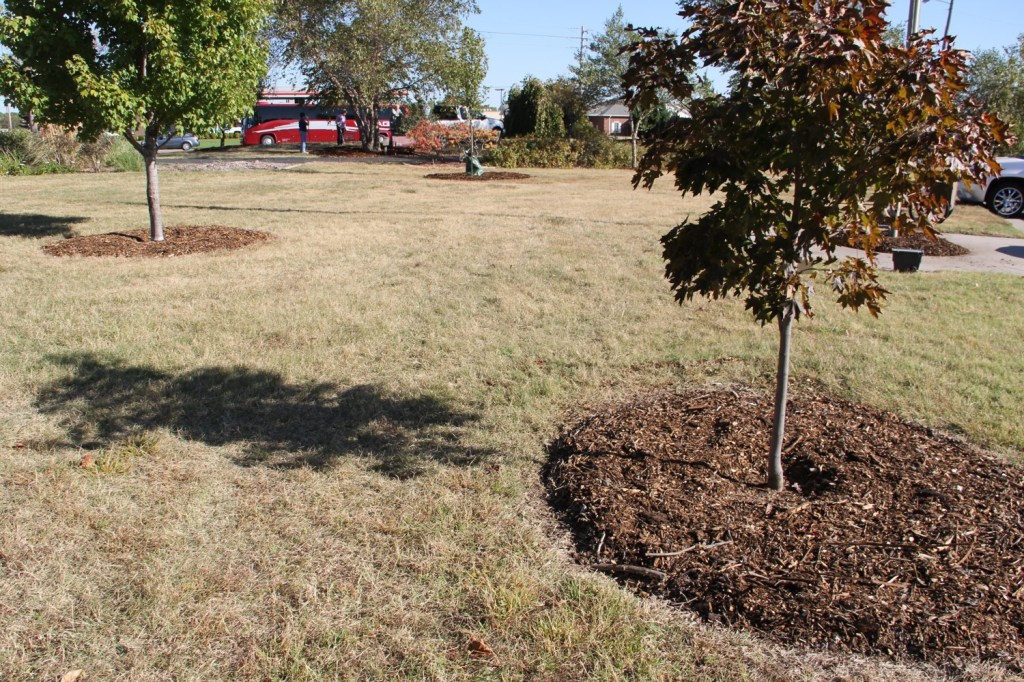
One of the best ways to help plants through a heat wave is to properly use mulch. Covering the soil with about 3 inches of an organic mulch like woodchips, straw, shredded leaves, or compost will help reduce evaporation of water from the soil and keep soil temperatures in the root zone cooler. Mulching is especially beneficial for shallow rooted or younger plants.
Avoid pruning
Pruning removes leaves and this can can cause a new part of the plant canopy to be exposed to direct and hot sunlight. This can lead to sunburn or bark sunscald damage in areas of the plant that are not used to dealing with the hot sun. If possible wait to prune until after temperatures moderate.
Be cautious with chemicals
Many insecticides, fungicides, or herbicides can cause unintended damage to plants when temperatures are excessive. Check the label carefully for temperature information before making any applications.
Control weeds
Weeds compete for the same water and nutrients as garden plants and many weeds are better adapted to extremes. Controlling weeds will ensure that garden plants still have the best opportunity to grow without the competition from weeds that will create more stress.
Let the lawn go dormant
Lawns can go dormant during hot, dry weather. Under these conditions grasses can survive in a dormant state for between 4 to 6 weeks if they have a healthy root system. The key is that the crown (area at the soil surface) of the plant must remain alive. Once turf has been dormant for 4-6 weeks plan to water with 1/2 to 1 inch of water to hydrate the crown of the plants to help ensure their survival.
Wait to fertilize
A period of high heat is not a good time to stimulate new plant growth. Wait until temperatures are cooler. Use our K-State Research and Extension resources to learn the best time to fertilize your particular plants.
 Central Kansas Lawn & Garden Blog